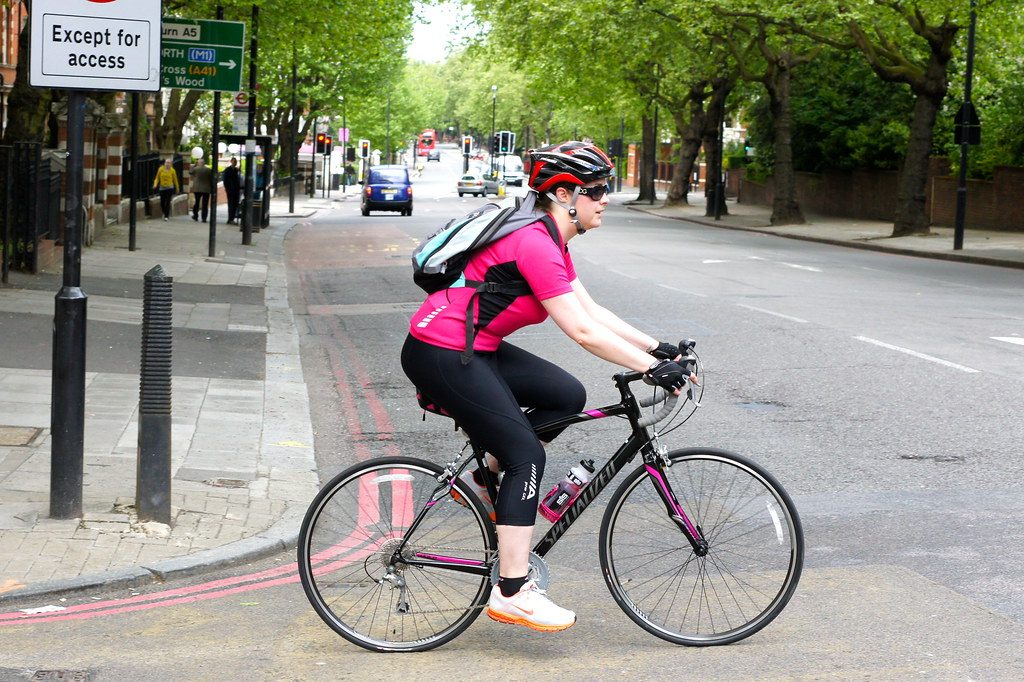
Best Commuter E-Bikes Under $1,500
Eight commuters that earn their keep: honest range estimates, real weights, and the trade-offs nobody puts in the headline.

Short answer
Every E-Bike Gear guide in one place: commuter and folding picks, range and classes explained, and how to keep your bike safe.
Eight commuters that earn their keep: honest range estimates, real weights, and the trade-offs nobody puts in the headline.
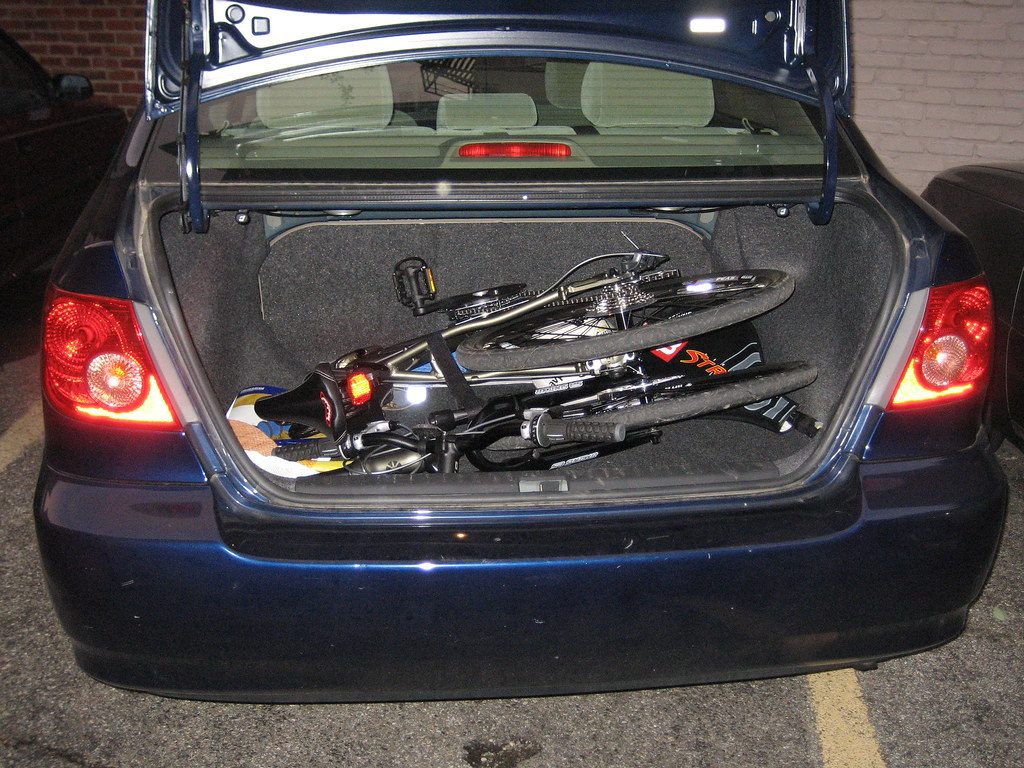
Seven folders that actually fit real life: folded sizes, honest weights, and which hinge designs hold up.
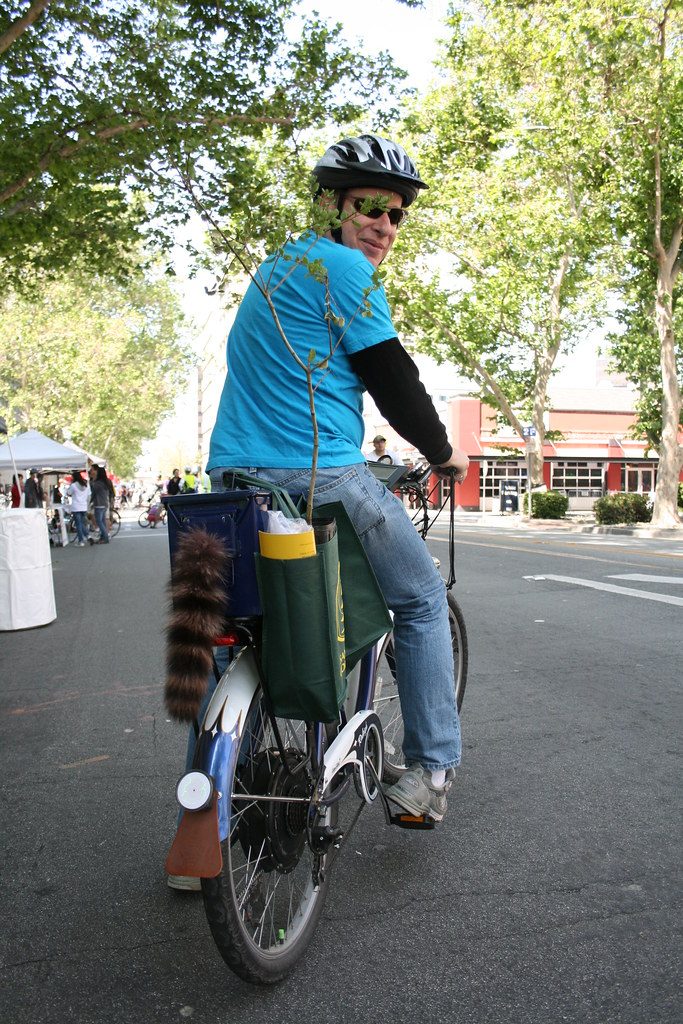
Class 1, 2 or 3? The three e-bike classes decide how your bike assists you — and, in many places, where you're allowed to ride it.

Wide tyres look unstoppable. Narrow tyres look fast. Here's what actually changes when you ride each one every day.

Claimed range is a best-case number. Here's how to work out what your e-bike will really do — and how to make it go further.
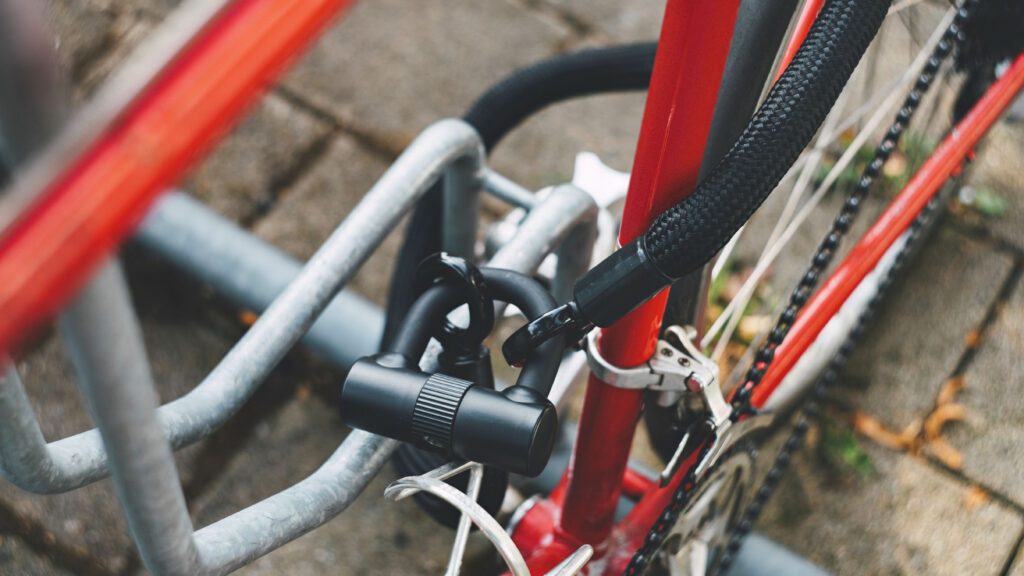
A good lock is cheap. A stolen e-bike isn't. Here's the method, the locks, and the mistakes to avoid.
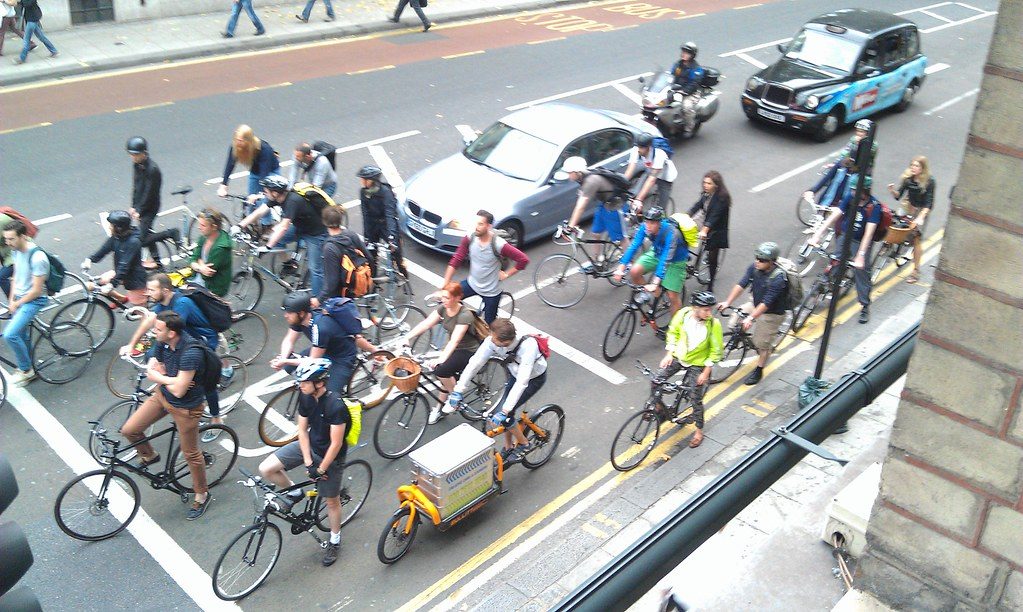
The sensor decides how your e-bike pulls away at every light. Here is what torque and cadence systems actually feel like in town.
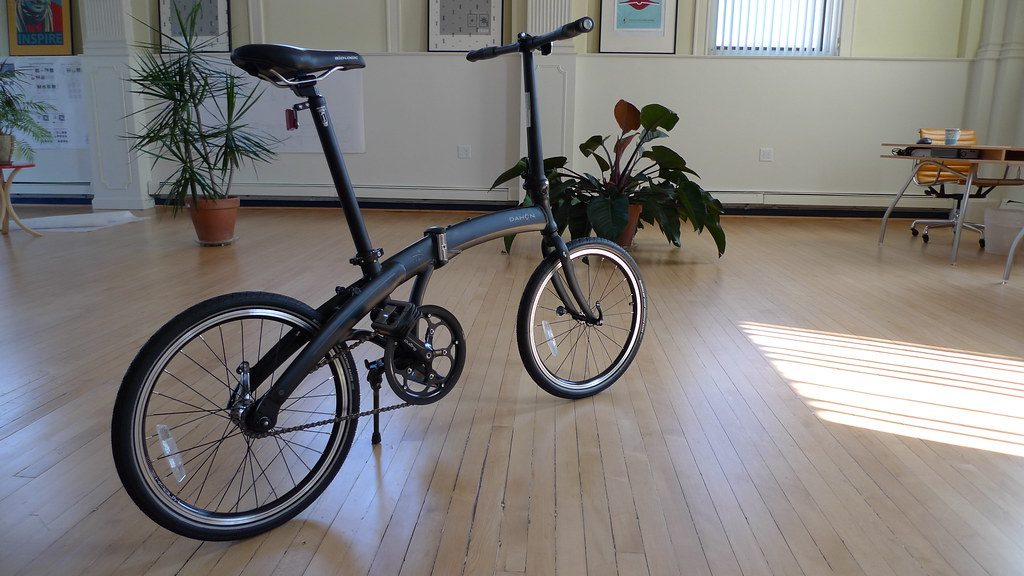
No garage, no shed, no spare room. Here is how to keep an e-bike indoors without giving up your hallway.

Hills expose weak motors and small batteries fast. These are the under-$1,500 e-bikes that climb a 10-mile commute without drama.
In mixed riding, roughly 20–35 miles depending on assist level, hills, load and weather. Claimed figures assume ideal conditions, so plan with margin.
Class 1 assists while pedalling up to 20 mph, Class 2 adds a throttle up to 20 mph, and Class 3 assists up to 28 mph. Access rules vary by place.