

Short answer
Real e-bike range comes from battery size in watt-hours, not the number on the box. As a rule of thumb, expect roughly 15–25 miles from a 400Wh battery in mixed riding, and less with hills, heavy loads or high assist.
Every e-bike listing promises a big range number — 50 miles, 60 miles, sometimes 80. And almost every new owner discovers the truth on their first long ride: the real number is smaller, sometimes much smaller. That's not a scam, exactly. It's physics, measured in the most flattering possible conditions.
This guide explains how range actually works: the one number that matters (watt-hours), the five things that drain a battery, and a simple way to estimate any bike's real range before you buy it.
The short version
| The key number | Battery watt-hours (Wh) = volts × amp-hours. Compare Wh, not claimed miles. |
| Real-world rule | Expect roughly 20–30 Wh per mile in mixed riding — divide Wh by 25 for a realistic estimate. |
| Biggest drain | Assist level and hills. High assist on a hilly route can halve your range. |
| Biggest saver | Lower assist, steady pedalling, and tyres at the right pressure. |
| Quick check | A 500Wh battery ≈ 20 miles. A 700Wh battery ≈ 28 miles. In the real world, not the brochure. |
01 The short answer

Most commuter e-bikes go 20–40 miles on a charge in real riding. Budget bikes with small batteries (350–400Wh) manage 12–20 miles; mid-range bikes (500–650Wh) manage 20–30 miles; big-battery bikes (700Wh+) can reach 30–45 miles. The 50–80 mile figures in listings assume a light rider, the lowest assist level, flat ground and no wind.
If you only remember one thing from this guide, make it this: divide the battery's watt-hours by 25. That's your realistic range in miles.
02 Watt-hours: the only number that matters
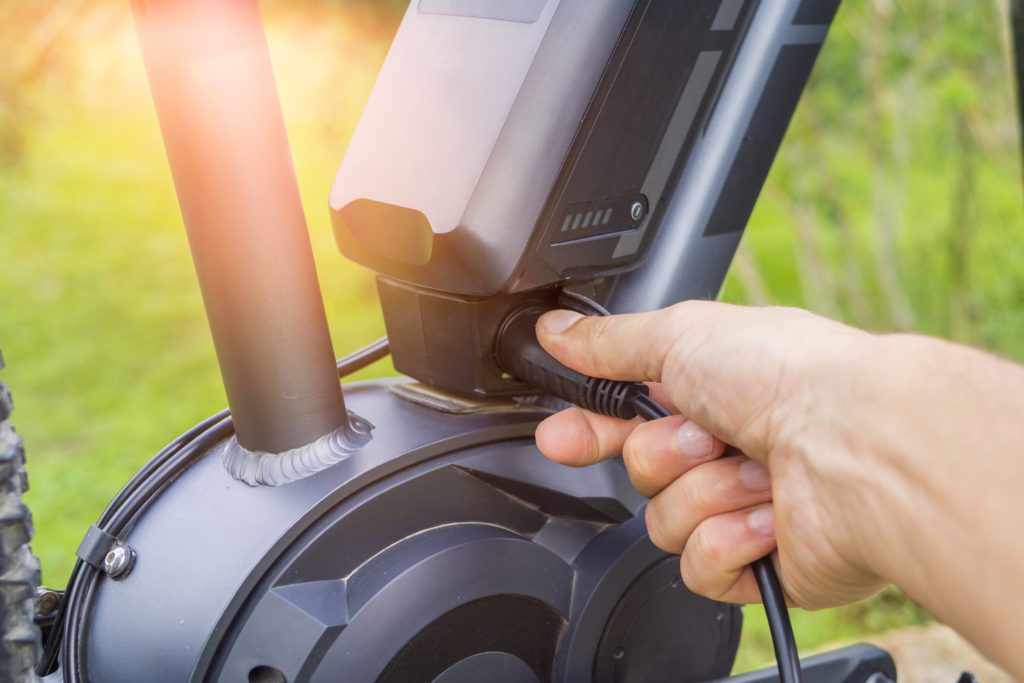
Battery size is measured in watt-hours (Wh): volts multiplied by amp-hours. A 48V 13Ah battery is 624Wh; a 36V 10Ah battery is 360Wh. Watt-hours are the fuel tank — everything else is how fast you burn it.
Listings often bury watt-hours and headline claimed miles instead. Always find the Wh figure before comparing two bikes: a bike claiming 60 miles from a 400Wh battery is promising more than physics allows, while a bike claiming 40 miles from a 700Wh battery is being honest.
| Battery size | Realistic range | Typical bikes |
|---|---|---|
| 350–400Wh | 14–20 miles | Light folders, lightweight commuters |
| 450–500Wh | 18–25 miles | Budget commuters, step-throughs |
| 600–650Wh | 24–32 miles | Fat-tire folders, mid-range commuters |
| 700Wh+ | 28–40 miles | Long-range commuters, cargo bikes |
03 Why claimed range is always optimistic
Claimed range is measured in a lab or on a test track: a light rider, the lowest assist setting, a steady 12 mph, flat ground, no wind, warm weather. Change any one of those and the range drops. Change several — as real riding does — and it drops a lot.
This isn't unique to e-bikes; car fuel-economy figures work the same way. The honest approach is to treat claimed range as a ceiling and plan around 50–70% of it for everyday riding.
04 The five things that drain your battery

Range isn't one number — it's the result of five variables you can partly control. Knowing them is worth more than any battery upgrade.
- Assist level: the highest assist setting can use twice the energy of the lowest. Dropping one level often adds 20–30% range.
- Hills: climbing uses far more energy than flat riding. A hilly 10-mile commute can use as much battery as 20 flat miles.
- Weight: rider plus cargo matters. A 250 lb rider with panniers uses noticeably more energy than a 150 lb rider with a backpack.
- Wind: a headwind is an invisible hill. A 15 mph headwind can cut range by a quarter or more.
- Speed: air resistance rises with the square of speed. Riding at 20 mph uses far more energy per mile than riding at 14 mph.
05 Assist level: your biggest lever
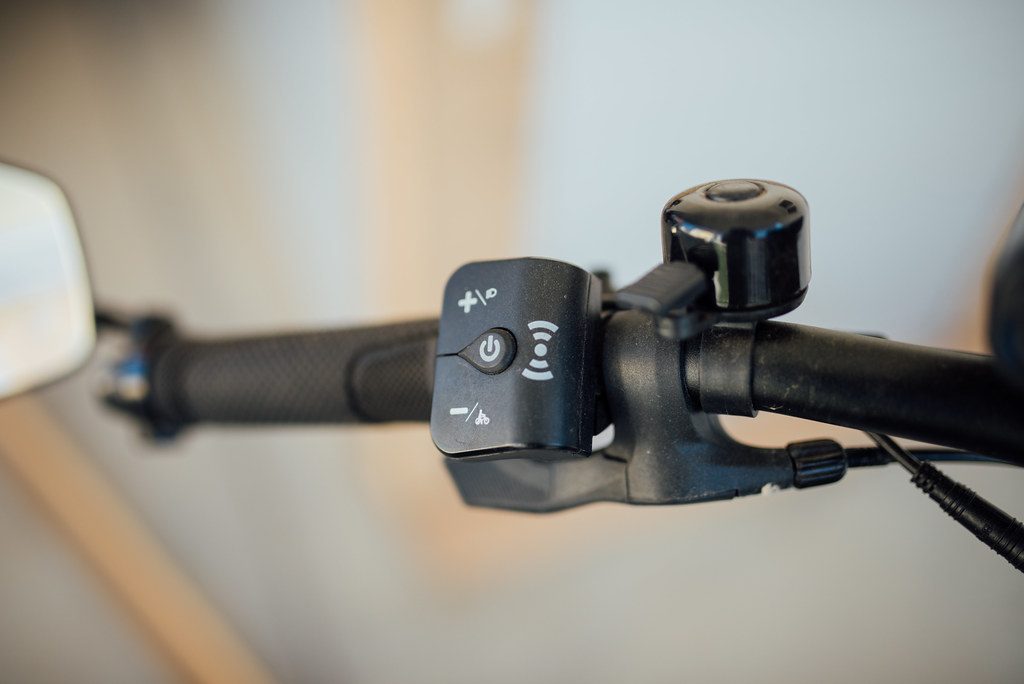
Most e-bikes offer 3–5 assist levels. The lowest gives a gentle push; the highest does most of the work. The difference in battery use is dramatic: eco mode might sip 10Wh per mile, while turbo can gulp 30Wh or more.
The smart habit is to use low assist on flats and save high assist for hills and headwinds. You'll arrive barely slower, noticeably fitter, and with battery to spare. Throttle-only riding uses the most energy of all — fine for short bursts, expensive as a habit.
06 Hills, wind and weight

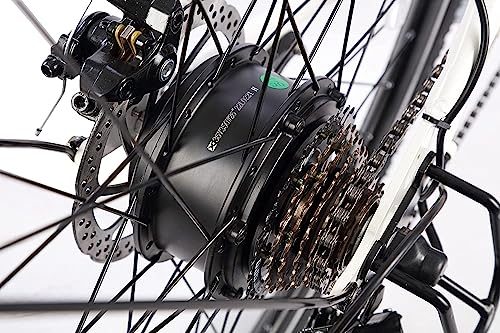
Hills are the range killer nobody budgets for. Climbing 1,000 feet uses roughly the same energy as riding several extra flat miles — and the descent doesn't give it all back, because regenerative braking is rare on hub-motor e-bikes.
Wind is subtler but just as real: a headwind you barely notice on a bike path can add 20% to your energy use. And weight — yours plus cargo — matters on every acceleration and every climb. If your commute is hilly, windy or loaded, size your battery up a class.
07 Tyres and pressure
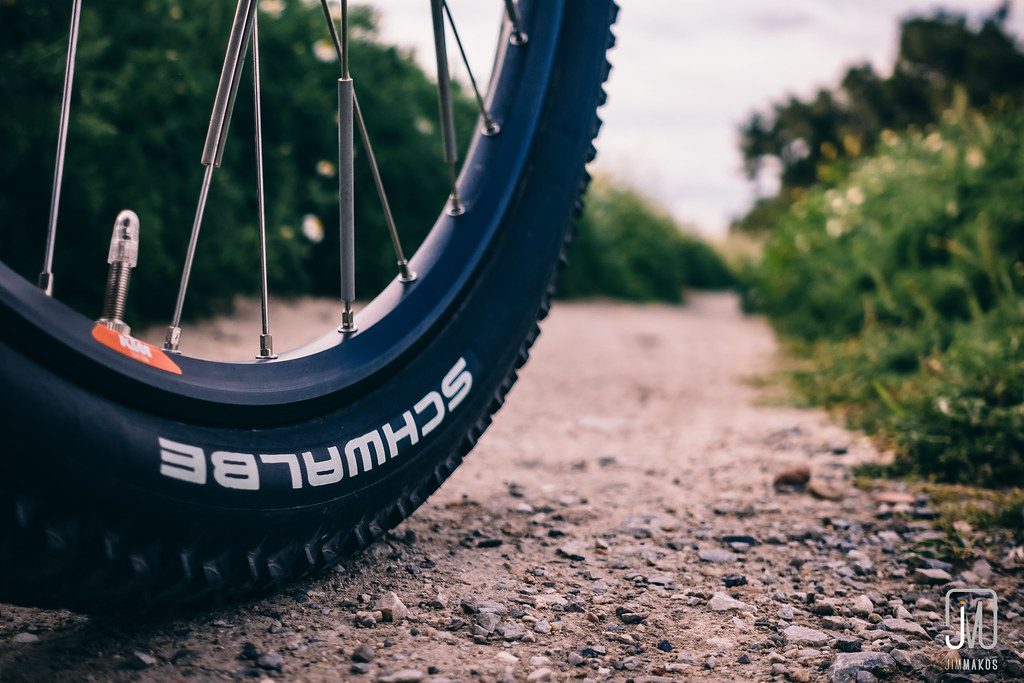
Soft tyres waste energy. Under-inflated tyres can cost 10–15% of your range through rolling resistance alone — and fat tyres, with their big contact patch, cost more than narrow ones. Check pressure weekly; it's the cheapest range upgrade there is.
Fat tyres (4 inches wide) are comfortable and grippy but thirsty: expect 10–20% less range than the same bike on city tyres. That's the price of comfort on bad roads, and for many riders it's worth paying — just don't compare a fat bike's range with a city bike's and wonder why they differ.
08 Cold weather

Lithium batteries lose capacity in the cold — expect 15–25% less range below freezing, and slower charging too. The fix is simple: store and charge the battery indoors at room temperature, and only fit it to the bike when you ride.
Winter riding also means more rolling resistance (wet roads, slush), more stops and heavier clothing. Budget for the worst case: if your summer range is 25 miles, plan winter rides as if it were 18.
09 How to squeeze more miles out
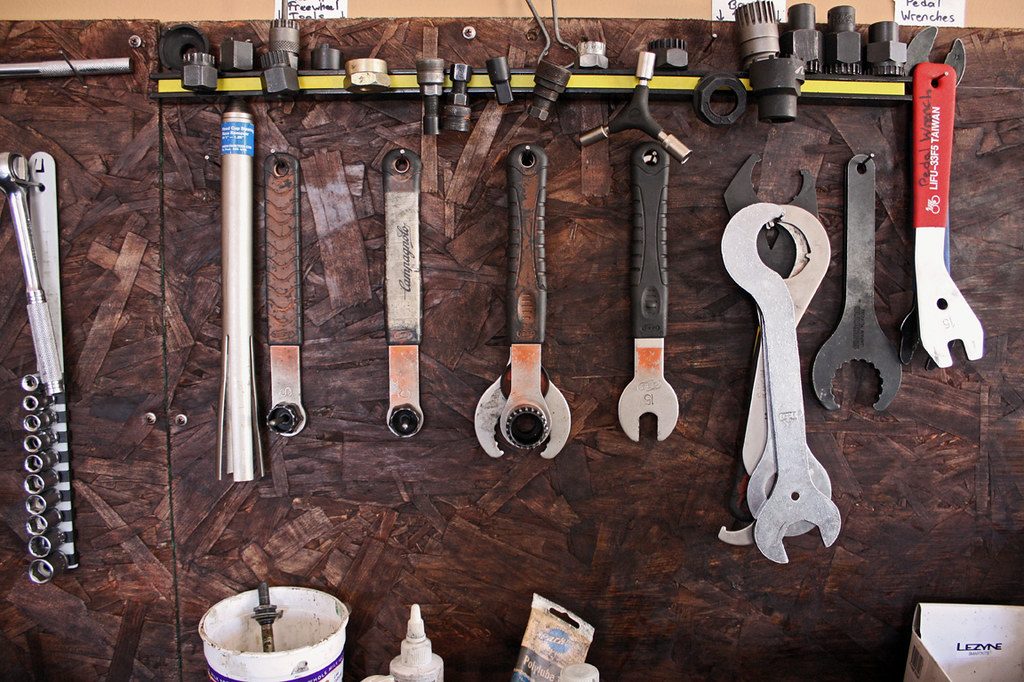
You don't need a bigger battery — you need better habits. These five changes together can add 20–40% to your range without spending anything.
- Ride one assist level lower than you think you need — your legs adapt within a week.
- Keep tyres at the pressure printed on the sidewall, checked weekly.
- Pedal smoothly and anticipate stops instead of accelerating hard from every light.
- Charge the battery indoors and avoid leaving it at 100% for days.
- Carry less. A pannier full of 'just in case' gear costs miles every single ride.
10 What range do you actually need?
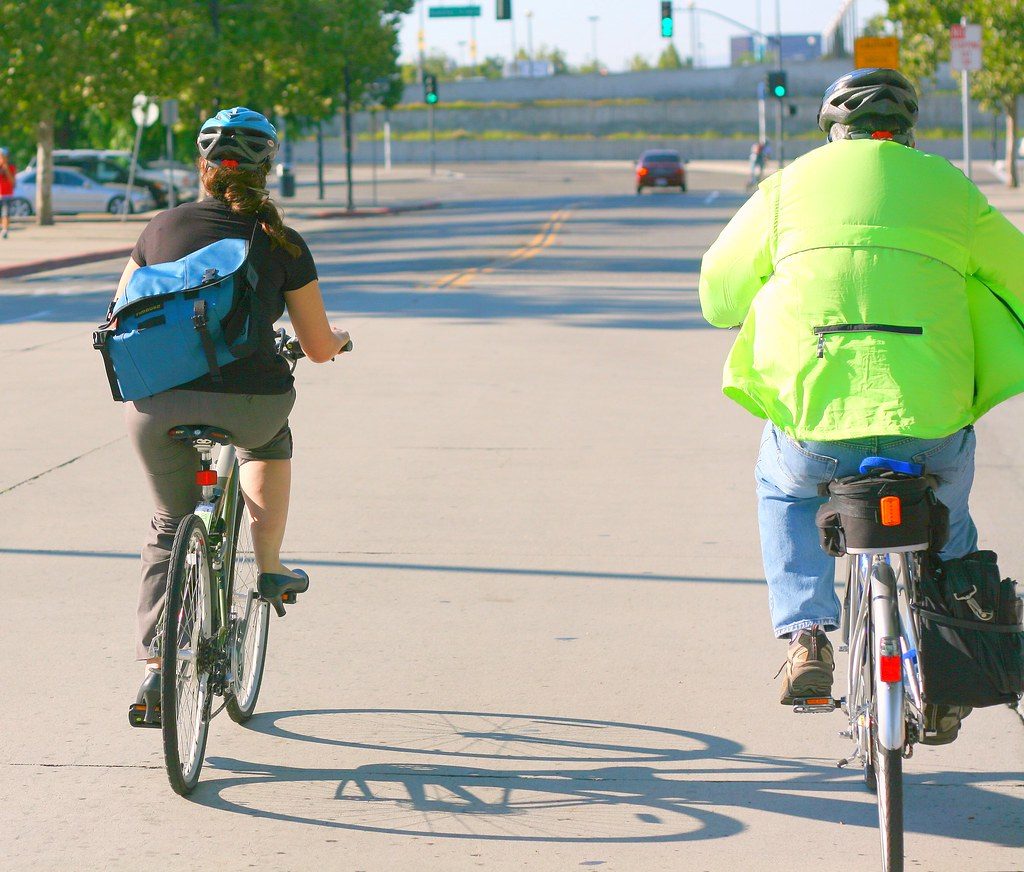
Work backwards from your round trip. If your commute is 10 miles each way, you need 20 miles of real range — so buy a bike rated for 40 claimed miles or a 500Wh+ battery. The 2× rule (buy double what you need on paper) sounds extravagant until the first cold, windy, hilly day proves it right.
If you can charge at work, halve the requirement — and a smaller, lighter bike becomes practical. The best range is the range you actually use, not the biggest number on a spec sheet.
| Your round trip | Battery to buy | Why |
|---|---|---|
| Under 10 miles | 350–450Wh | Light, cheap, charges fast |
| 10–20 miles | 450–600Wh | Comfortable margin, no daily anxiety |
| 20–30 miles | 600–750Wh | Covers hills, wind and cold days |
| 30+ miles | 750Wh+ or charge at work | Big battery or a midday top-up |
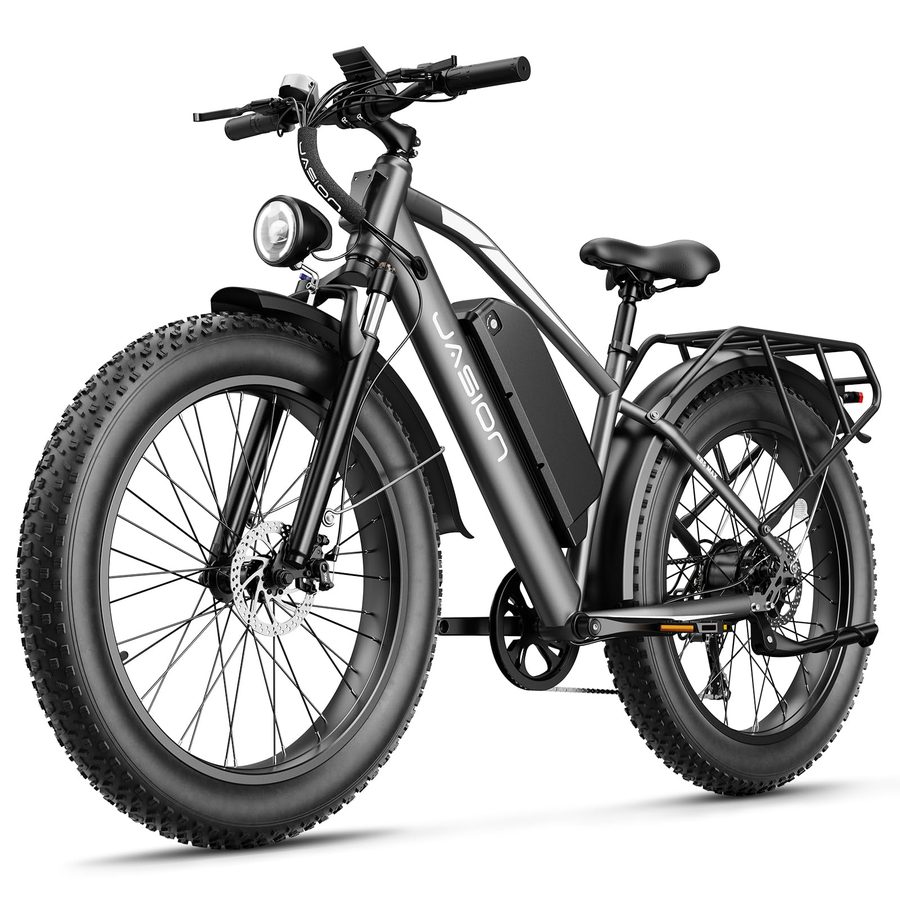
Jasion EB5 MAX
Fat-tire value pick: big 720Wh battery and 1,500W peak power for hills and rough roads.
- Motor750W (1,500W peak)
- Battery720Wh removable
- Range45+ mi claimed
- Top speed28 mph
- Wheels26" x 4" fat
Price: Often around $730–$920
Check price on Amazon ↗Affiliate link — we may earn a commission at no extra cost to you.
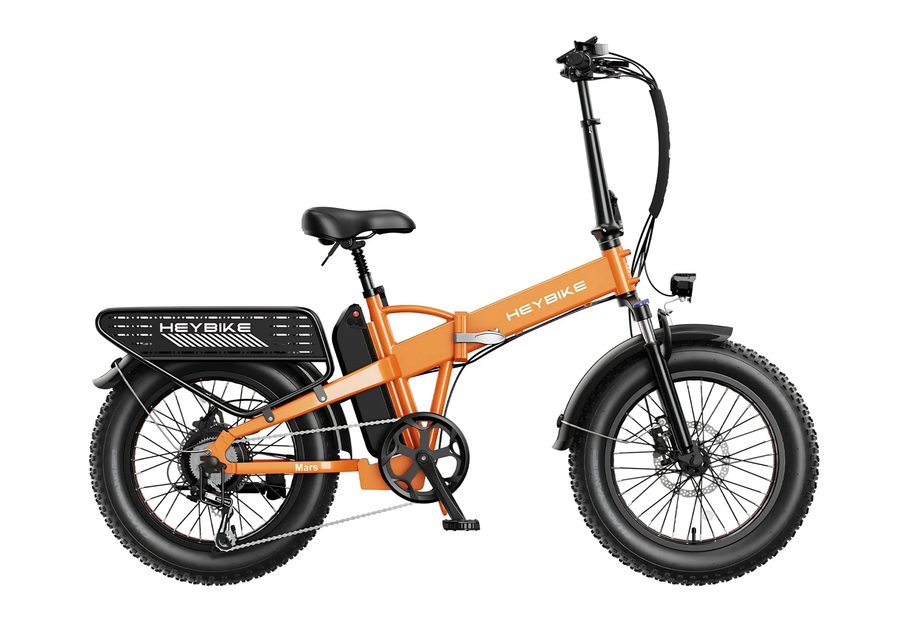
Heybike Mars 2.0
The do-everything folder: fat tires, big battery, folds for the trunk or hallway.
- Motor750W (1,400W peak)
- Battery624Wh removable
- RangeUp to 50 mi claimed
- Top speed28 mph
- Wheels20" x 4" fat
Price: Often around $1,099
Check price on Amazon ↗Affiliate link — we may earn a commission at no extra cost to you.
Frequently asked questions
How do I calculate my e-bike's real range?
Divide the battery's watt-hours by 25. A 500Wh battery gives about 20 miles, a 700Wh battery about 28 miles, in mixed riding. Hills, wind, weight and assist level move the number either way.
Why is my e-bike's range less than advertised?
Claimed range is measured in ideal conditions: light rider, lowest assist, flat ground, no wind. Real riding uses 20–30Wh per mile instead of the 10–15Wh the claim assumes. Expect 50–70% of the claimed figure.
Does using the throttle use more battery?
Yes — throttle-only riding uses the most energy per mile, because the motor does all the work. Pedal assist shares the effort, so the same battery goes much further.
Do fat tires reduce range?
Yes, by roughly 10–20% compared with city tyres, because of higher rolling resistance. The trade-off is comfort and grip on bad surfaces — worth it for many riders, but it costs miles.
How does cold weather affect e-bike range?
Lithium batteries lose 15–25% of their usable capacity below freezing. Store and charge the battery indoors, and plan winter rides as if your range were a quarter shorter.
Can I extend my e-bike's range with a second battery?
Some bikes support a second battery or a range extender, but most don't. For most riders, better habits — lower assist, correct tyre pressure, smoother riding — are the practical answer.
How long does it take to charge an e-bike battery?
Typically 3–6 hours from empty with the included charger, depending on battery size. Most riders charge overnight or top up at work; partial charges are fine for lithium batteries.
Keep reading
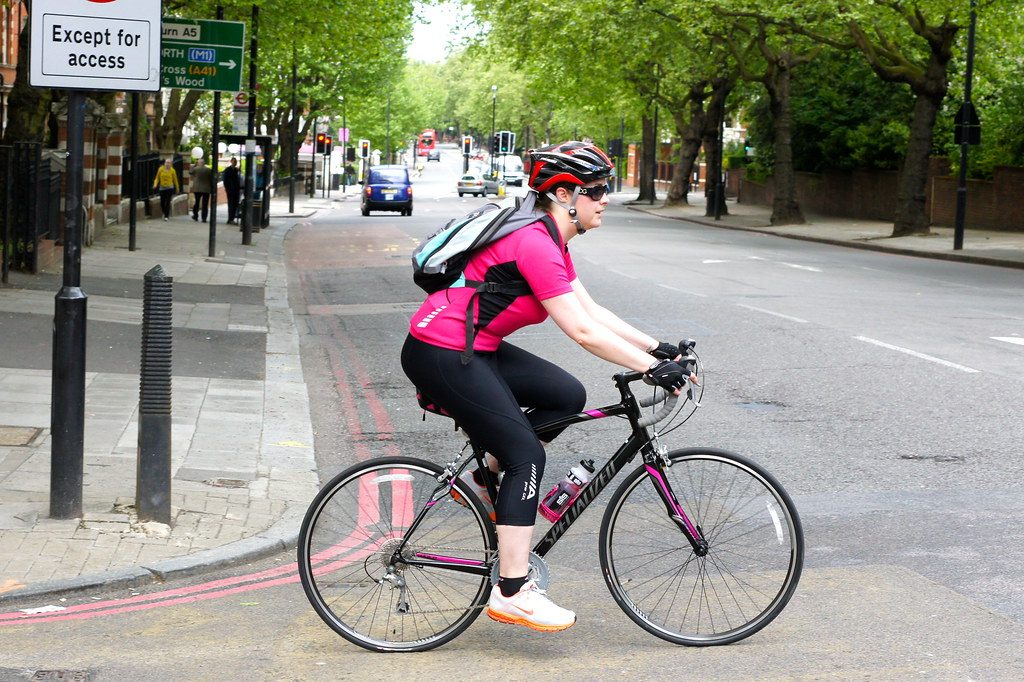
Best Commuter E-Bikes Under $1,500
Eight commuters that earn their keep: honest range estimates, real weights, and the trade-offs nobody puts in the headline.
E-Bike Classes Explained: Class 1, 2 and 3
Class 1, 2 or 3? The three e-bike classes decide how your bike assists you — and, in many places, where you're allowed to ride it.

Fat Tire vs City E-Bikes: Which Rides Better?
Wide tyres look unstoppable. Narrow tyres look fast. Here's what actually changes when you ride each one every day.
⚡ Some links on this page are affiliate links. If you buy through them, we may earn a commission at no extra cost to you. Prices change often — always check the live listing before buying.