
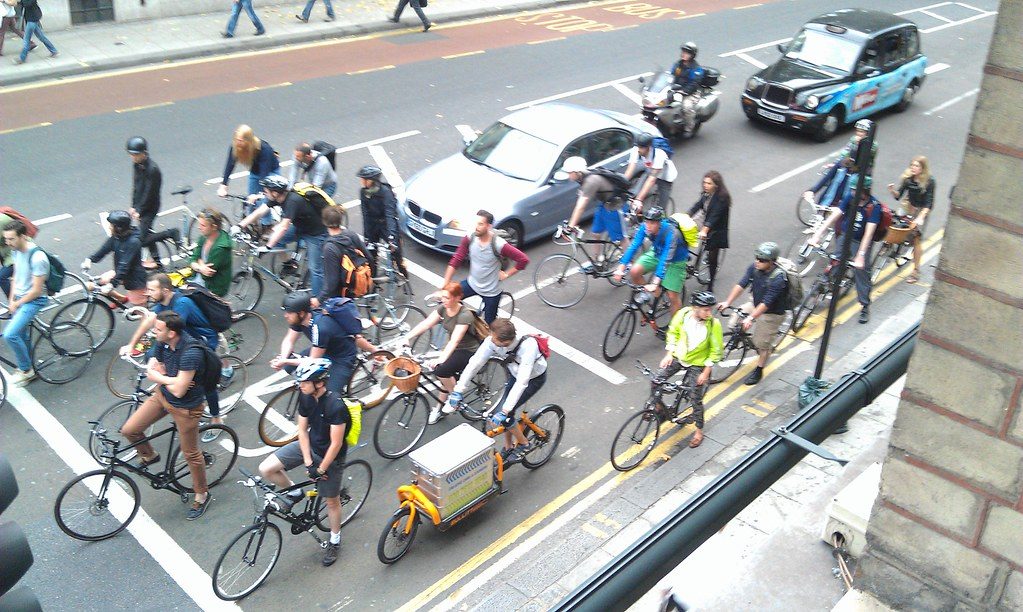
Short answer
A torque sensor feels better in stop-and-go city traffic for most riders because assist follows how hard you pedal, so starts at lights are smooth and predictable. A cadence sensor is cheaper and simpler, but its fixed power steps can surge. Choose torque for control, cadence for budget.
City riding is a hundred small starts: lights, crossings, buses, gaps in traffic. The part of the bike you feel most in those moments is not the motor size — it is the sensor that tells the motor when and how hard to help.
This guide compares the two systems side by side: how each one reads your pedalling, how each behaves at a green light, and which one suits a short urban commute. If you are still choosing a bike, pair this with our commuter e-bike guide and the e-bike classes explainer.
The short version
| Best feel in traffic | Torque sensor — assist rises and falls with your pedalling effort. |
| Best budget pick | Cadence sensor — simpler hardware, lower prices, easy to live with. |
| Pulling away | Torque is smoother; cadence can surge once the pedals turn. |
| Hills | Torque rewards harder pedalling; cadence gives fixed steps. |
| Quick check | If the listing says torque sensor, expect a natural ride. If it never mentions the sensor, assume cadence. |
01 What is the difference between a torque sensor and a cadence sensor?
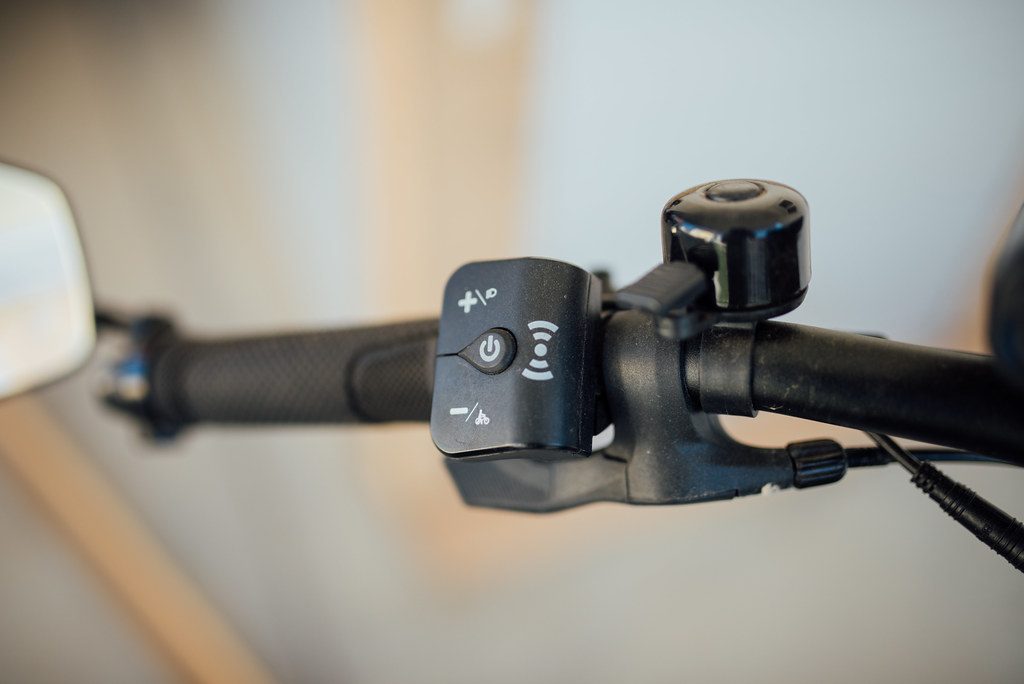
A cadence sensor only checks that the pedals are turning. A torque sensor measures how hard you are pushing. That one difference changes everything about how the bike feels in town.
Think of cadence as an on/off switch with steps, and torque as a dimmer. Both get you moving; only one follows your legs.
02 How does a cadence sensor decide when to help?
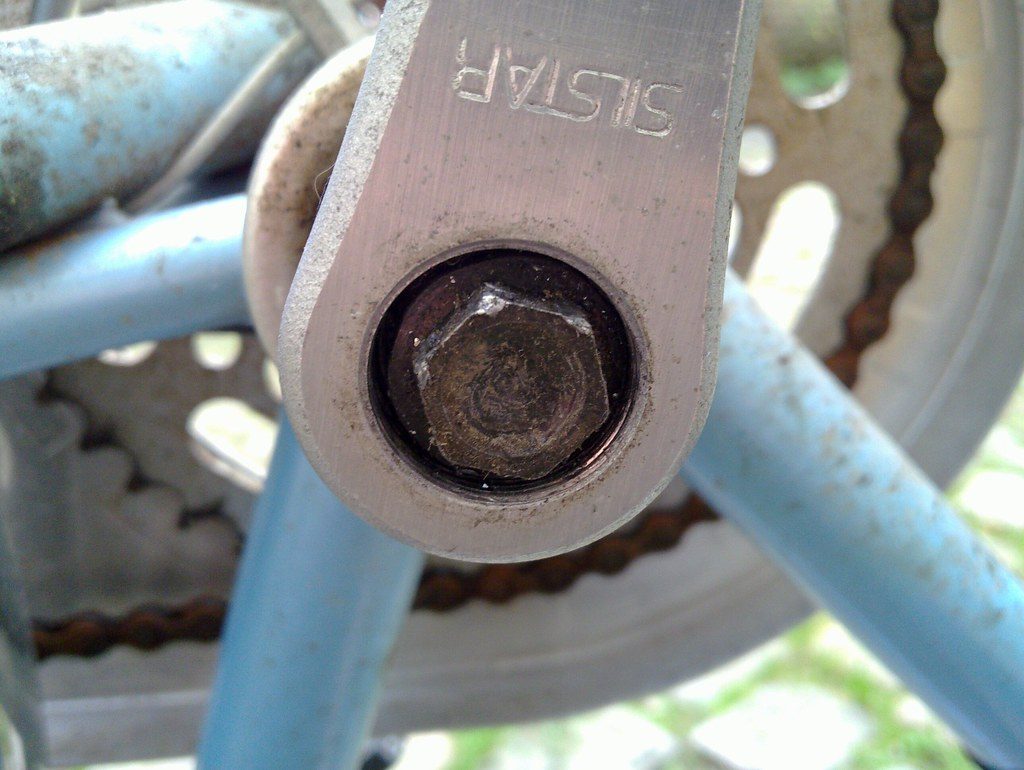
Magnets on the crank pass a sensor as you pedal, and the controller adds the power level you selected. Pedal slowly or pedal hard — the help is roughly the same until you change level.
That simplicity is why cadence systems dominate budget bikes. There is little to tune and little to break, but the assist can arrive with a small lurch once the cranks start moving.
03 How does a torque sensor decide how much to help?
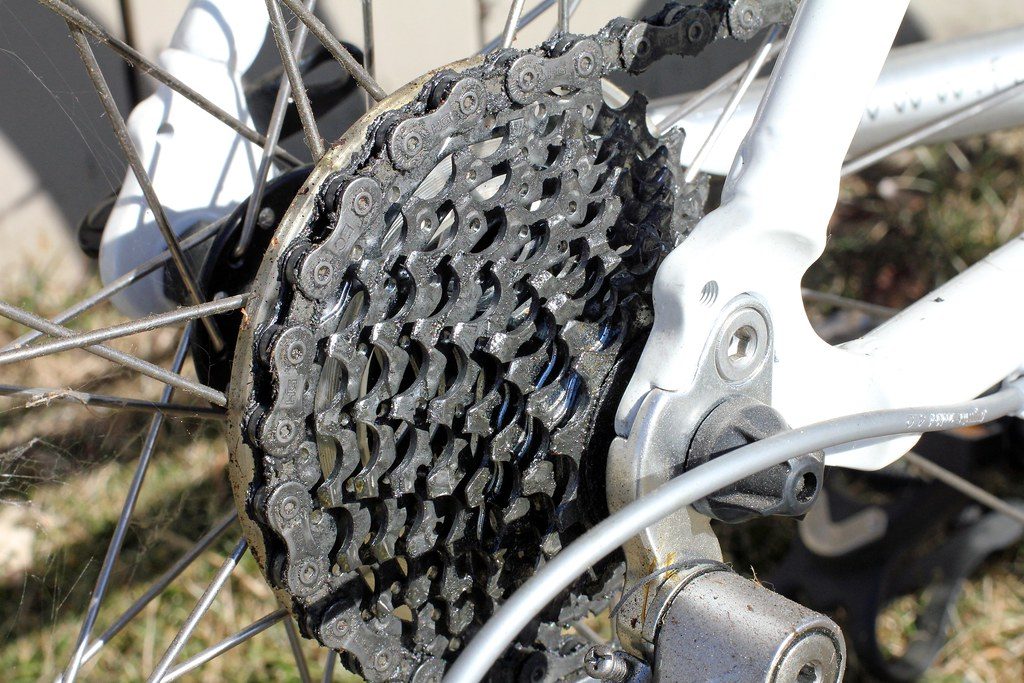
A torque sensor measures pedalling force at the crank or rear wheel and multiplies it. Push gently and the motor whispers; push hard and it pushes with you.
Because assist tracks effort, the bike feels like a stronger version of your own legs. Riders notice it most in the first three pedal strokes after a stop.
04 Which sensor feels smoother when pulling away from traffic lights?
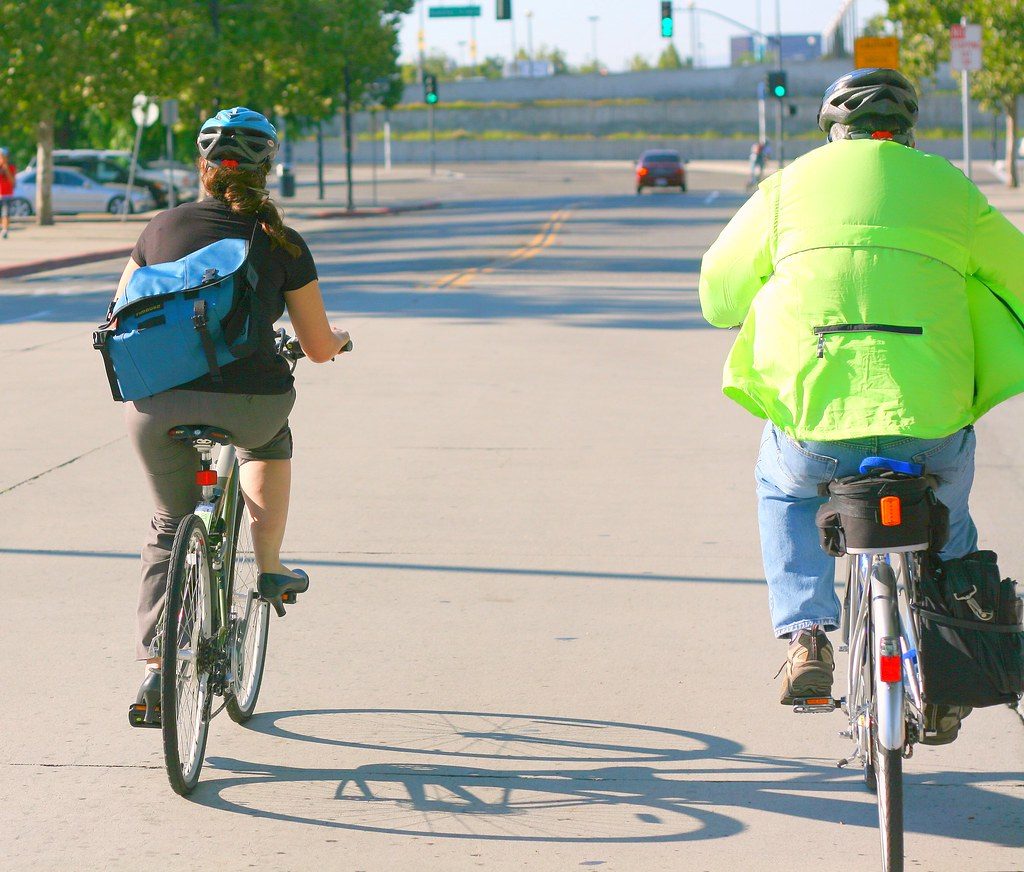
The torque sensor is smoother at lights. Power builds with your first push, so there is no waiting, then surging, as the bike catches up with your pedalling.
With cadence, the classic pattern is a pause, then a push. In open road riding that is easy to ignore; in a queue of riders at a junction it takes more care.
05 Which sensor is easier on hills and headwinds?
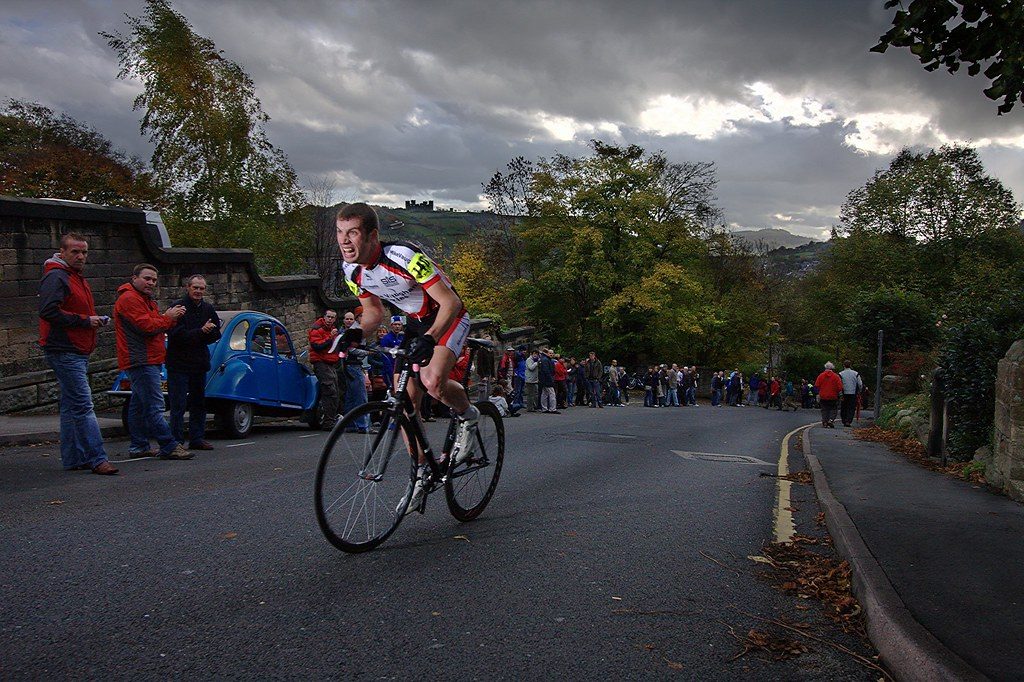
Torque helps more naturally on hills because harder pedalling automatically calls for more assist. You stay in the gear you are in and simply press.
Cadence riders usually tap up an assist level before the climb. That works fine, but on rolling streets you may change levels often. For longer climbs, battery size still matters more — see how far an e-bike really goes.
06 Which sensor uses the battery more efficiently in town?
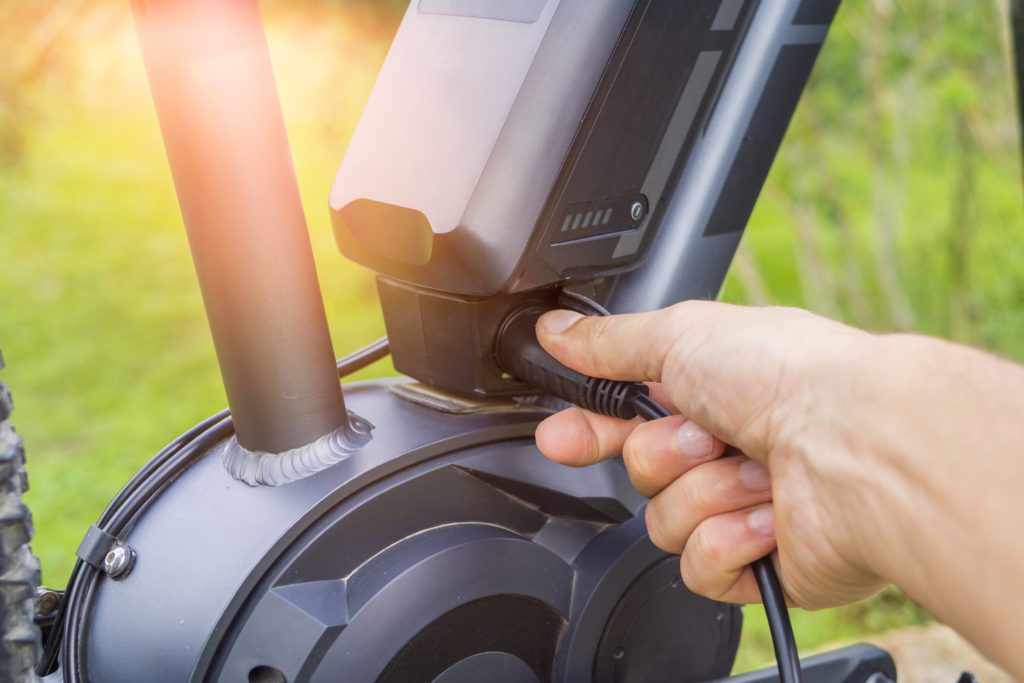
Torque systems tend to use energy more efficiently in stop-and-go riding because they rarely deliver full power when you only asked for a little. Cadence systems spend more time at the selected step.
The difference is modest — assist level and speed matter more — but on a small 350–400Wh battery, smoother power delivery can be the difference between charging nightly and charging every other night.
07 Does a throttle change the torque vs cadence choice?
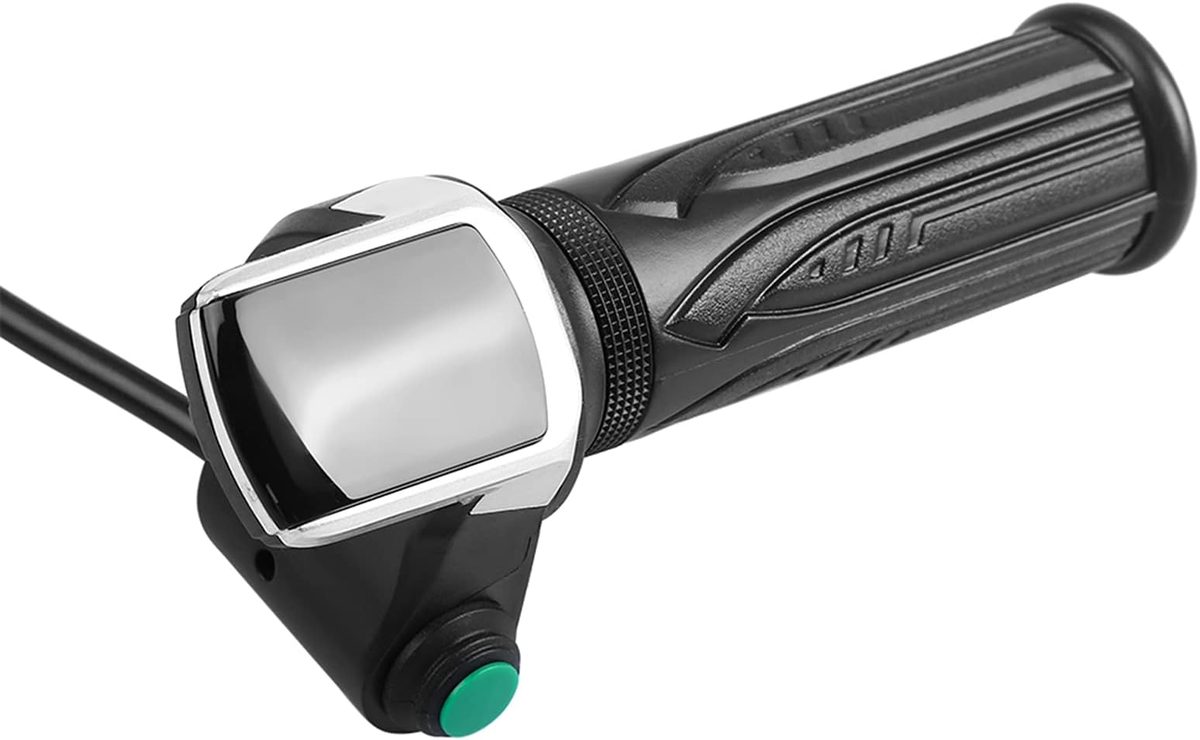
A throttle makes the sensor matter less at the very start, because you can pull away without pedalling. Many cadence bikes use the throttle to hide the initial surge.
Once you are rolling and pedalling, the sensor takes over again. If you plan to pedal most of the time, torque still feels better; if you throttle away from every light, cadence is easier to forgive.
08 Which sensor suits beginners and nervous city riders?
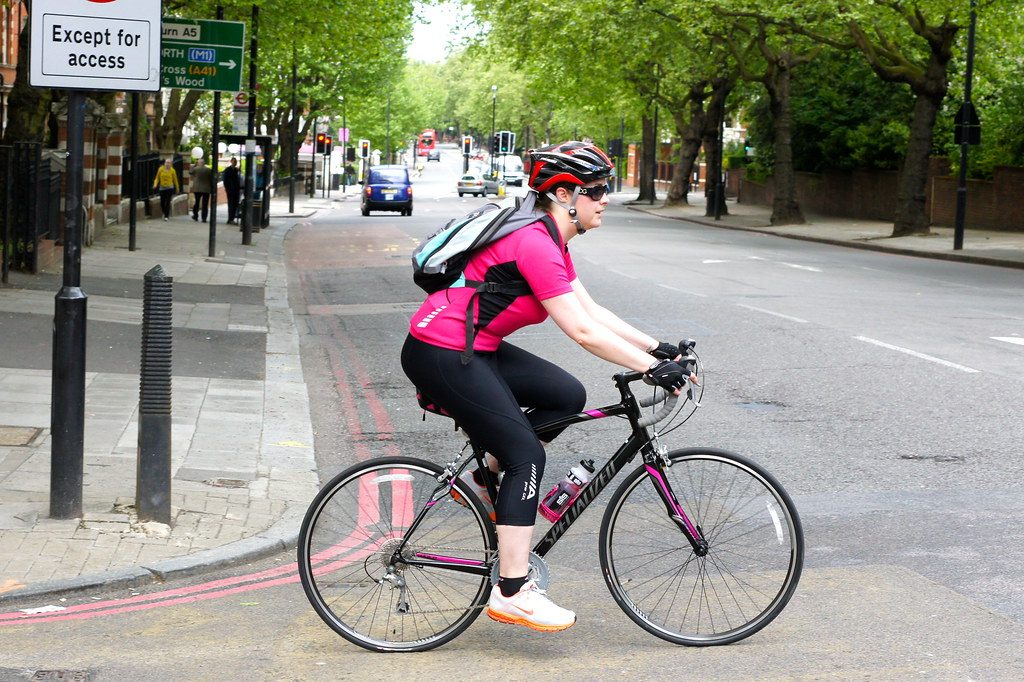
Most beginners prefer torque because the bike never does anything surprising: no push without effort, no surge mid-turn. Predictability builds confidence in traffic.
Cadence suits riders who want to pedal lightly and still get full help. On a flat, simple route that relaxed style is genuinely pleasant.
09 How can you tell which sensor a bike has before buying?
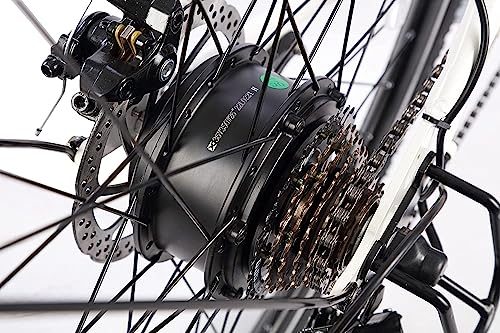
Check the spec sheet for the words torque sensor. Sellers of torque bikes advertise it proudly; cadence bikes usually just list assist levels. A low price with no sensor mention almost always means cadence.
On a test ride, pedal very gently in a high assist level. If the bike surges anyway, it is cadence. If help stays gentle until you push, it is torque.
10 Torque or cadence: which should you choose for city traffic?
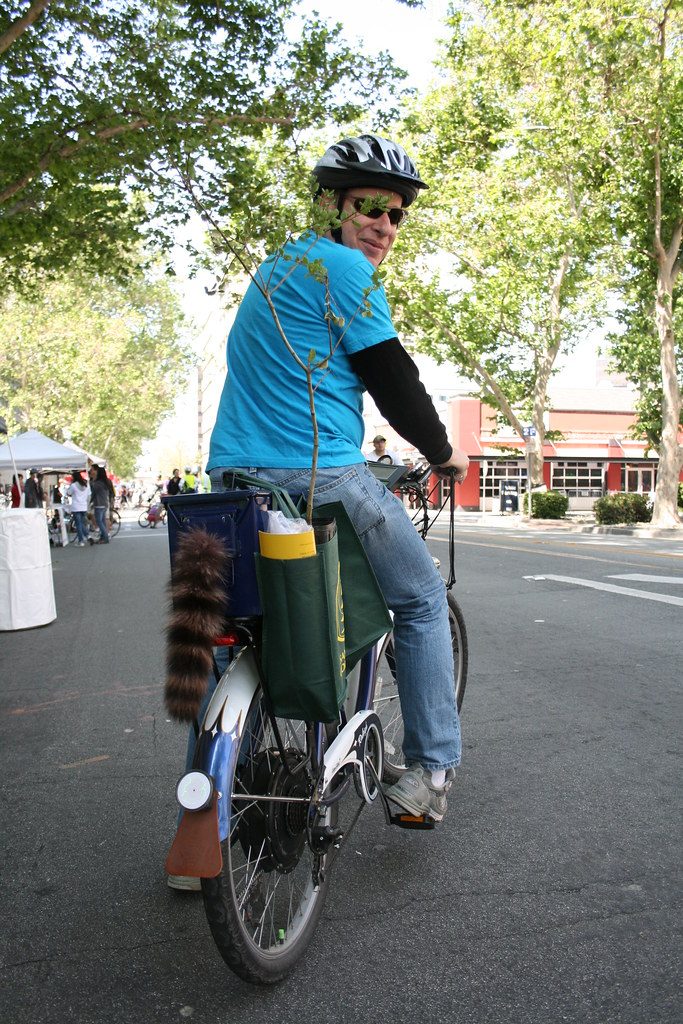
Choose torque if your ride is full of lights, junctions and short gaps, and you want the bike to feel like a bicycle first. Choose cadence if budget comes first and your route is flat and simple.
Either way, the sensor is only one part of the commute. Range, weight and a good lock matter just as much — start with the commuter guide and how to lock your e-bike.
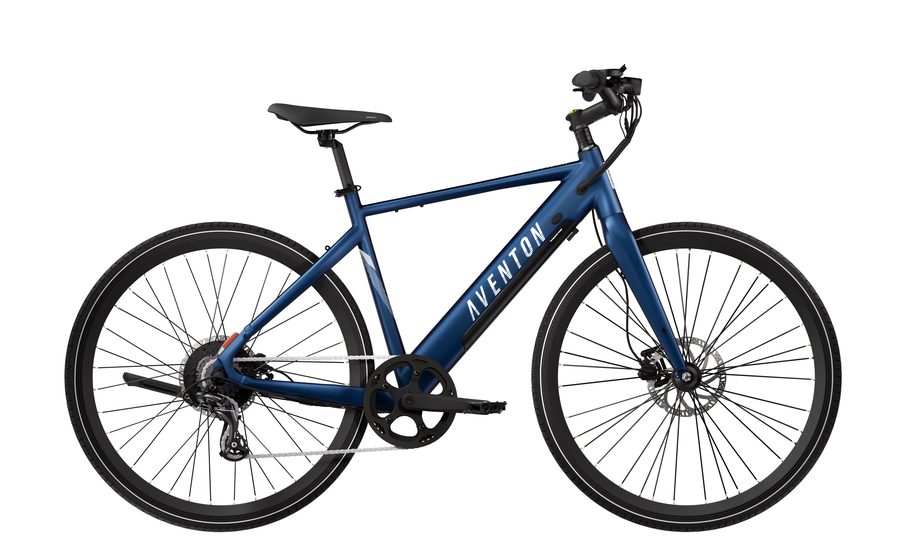
Aventon Soltera.2
46 lb with a torque sensor — the natural-feeling pick for gentle hills and carrying upstairs.
- Motor350W rear hub
- Battery345.6Wh removable
- RangeUp to 46 mi claimed
- Top speed20 mph
- Weight46 lb
Price: $1,199 list; often $999 on sale
Check price on Amazon ↗Affiliate link — we may earn a commission at no extra cost to you.
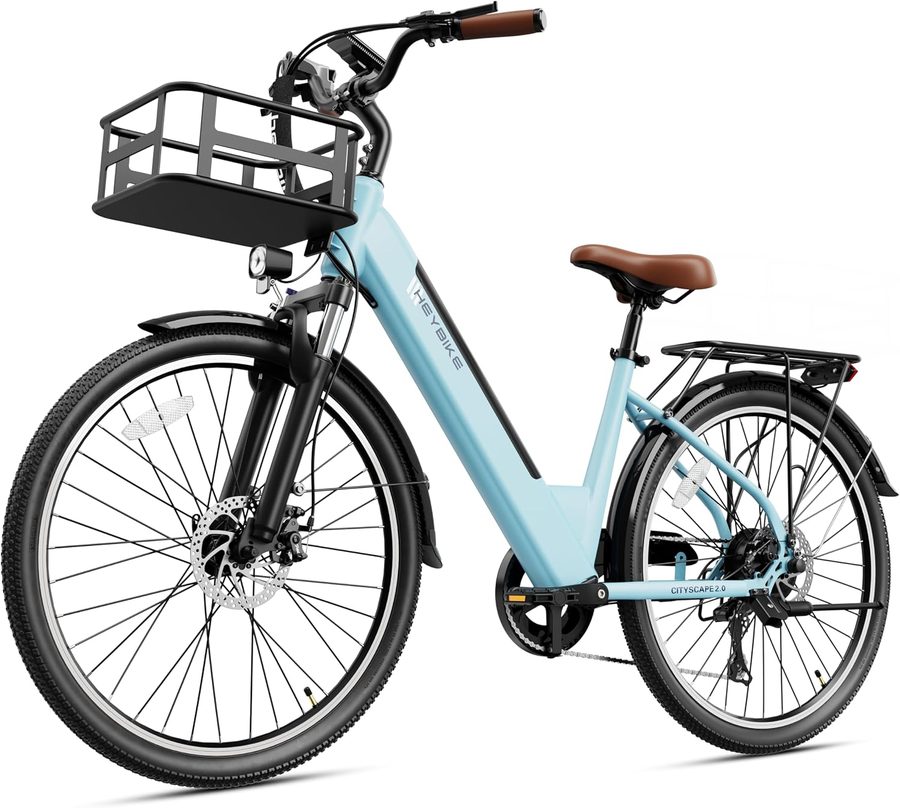
Heybike Cityscape 2.0
Step-through comfort with rack, fenders and lights included — gentle hills suit it best.
- Motor500W (1,200W peak)
- Battery468Wh removable
- RangeUp to 50 mi claimed
- Top speed24 mph
- Wheels26"
Price: Often around $650 on sale
Check price on Amazon ↗Affiliate link — we may earn a commission at no extra cost to you.
Frequently asked questions
Is a torque sensor worth paying more for?
For stop-and-go city riding, usually yes. The smoother starts and natural pedalling feel are noticeable on every ride, while the price gap has narrowed on many commuters.
Do cadence sensor e-bikes feel unsafe?
No — they feel different, not unsafe. The assist arrives in steps, so riders learn to start gently and use lower levels in crowds.
Which sensor is better for exercise?
Torque, because the motor multiplies your effort instead of replacing it. You can still work as hard as you like and the bike matches you.
Can a cadence sensor bike still climb hills?
Yes. Select a higher assist level before the climb. Hill ability depends more on motor power, gearing and battery size than on the sensor alone.
Do torque sensors need more maintenance?
Not in normal use. Both systems are sealed and reliable; the practical difference is feel and price, not upkeep.
What sensor do most budget e-bikes use?
Cadence. It is cheaper to build, which is why most bikes under about $800 use it unless the listing says otherwise.
Does the sensor affect range?
A little. Torque delivery wastes less energy on gentle pedalling, but battery watt-hours and assist level decide most of your range.
Keep reading
Best Commuter E-Bikes Under $1,500
Eight commuters that earn their keep: honest range estimates, real weights, and the trade-offs nobody puts in the headline.

How Far Can an E-Bike Go on One Charge?
Claimed range is a best-case number. Here's how to work out what your e-bike will really do — and how to make it go further.
E-Bike Classes Explained: Class 1, 2 and 3
Class 1, 2 or 3? The three e-bike classes decide how your bike assists you — and, in many places, where you're allowed to ride it.
⚡ Some links on this page are affiliate links. If you buy through them, we may earn a commission at no extra cost to you. Prices change often — always check the live listing before buying.