Short answer
E-bike classes decide how the motor helps: Class 1 gives pedal assist up to 20 mph, Class 2 adds a throttle up to 20 mph, and Class 3 assists up to 28 mph. Which class you can ride, and where, depends on local rules.
E-bikes come in three classes, and the difference matters more than most buyers realise. The class decides whether your bike has a throttle, how fast the motor helps you, and — in many countries and states — which paths and trails you can legally use.
This guide explains the three classes in plain language. One important note: e-bike rules vary by country, state and city, and they change. Nothing here is legal advice — always check your local regulations before riding.
The short version
| Class 1 | Pedal assist only, motor stops at 20 mph. The most widely accepted class. |
| Class 2 | Pedal assist plus throttle, motor stops at 20 mph. Throttle means no pedalling needed. |
| Class 3 | Pedal assist (sometimes throttle), motor stops at 28 mph. Faster — and more restricted. |
| The key question | Do you want a throttle? If yes, Class 2. If no, Class 1 or 3. |
| Before you buy | Check your local rules: some paths and trails restrict by class. |
01 The three classes at a glance
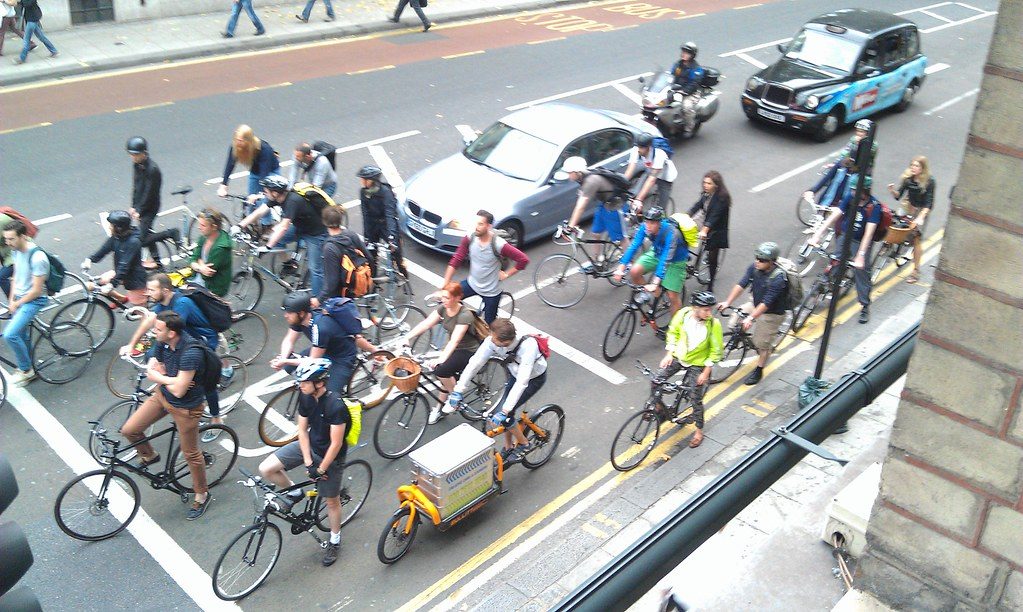
The three-class system is used in the United States and referenced in many other countries. It sorts e-bikes by two things: how the motor is activated (pedals or throttle) and the speed at which motor assistance stops.
| Class 1 | Class 2 | Class 3 | |
|---|---|---|---|
| Motor activation | Pedal assist only | Pedal assist + throttle | Pedal assist (+ throttle on some) |
| Max assisted speed | 20 mph | 20 mph | 28 mph |
| Throttle? | No | Yes | Sometimes |
| Typical use | Trails, paths, commuting | Commuting, errands | Long commutes, fast roads |
02 Class 1: pedal assist only
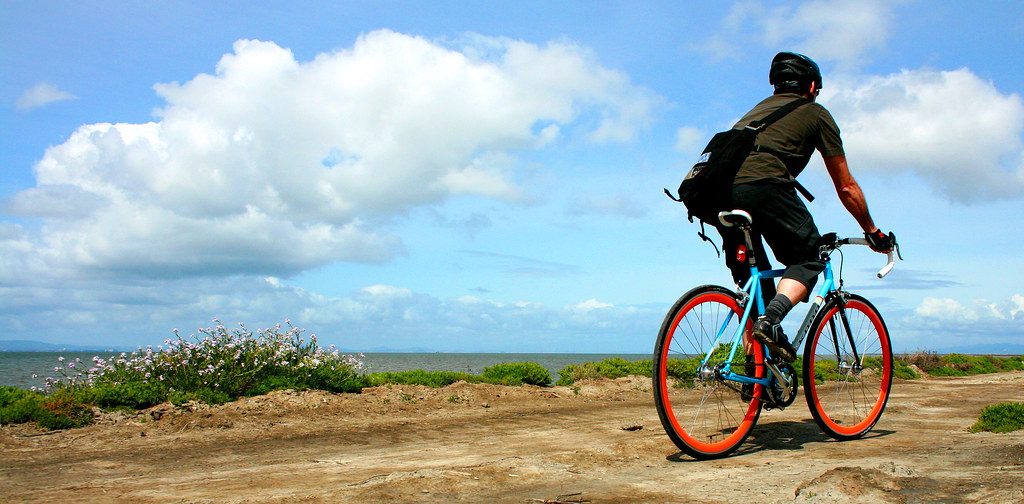
A Class 1 e-bike helps you only while you pedal, and the motor cuts out at 20 mph. Above that speed, it's just you and your legs — the bike doesn't fight you, it simply stops helping.
Because Class 1 bikes behave most like regular bicycles, they're accepted in the widest range of places, including many multi-use paths and trails that restrict throttles. If you want the most access with the least fuss, Class 1 is the safe choice.
03 Class 2: throttle
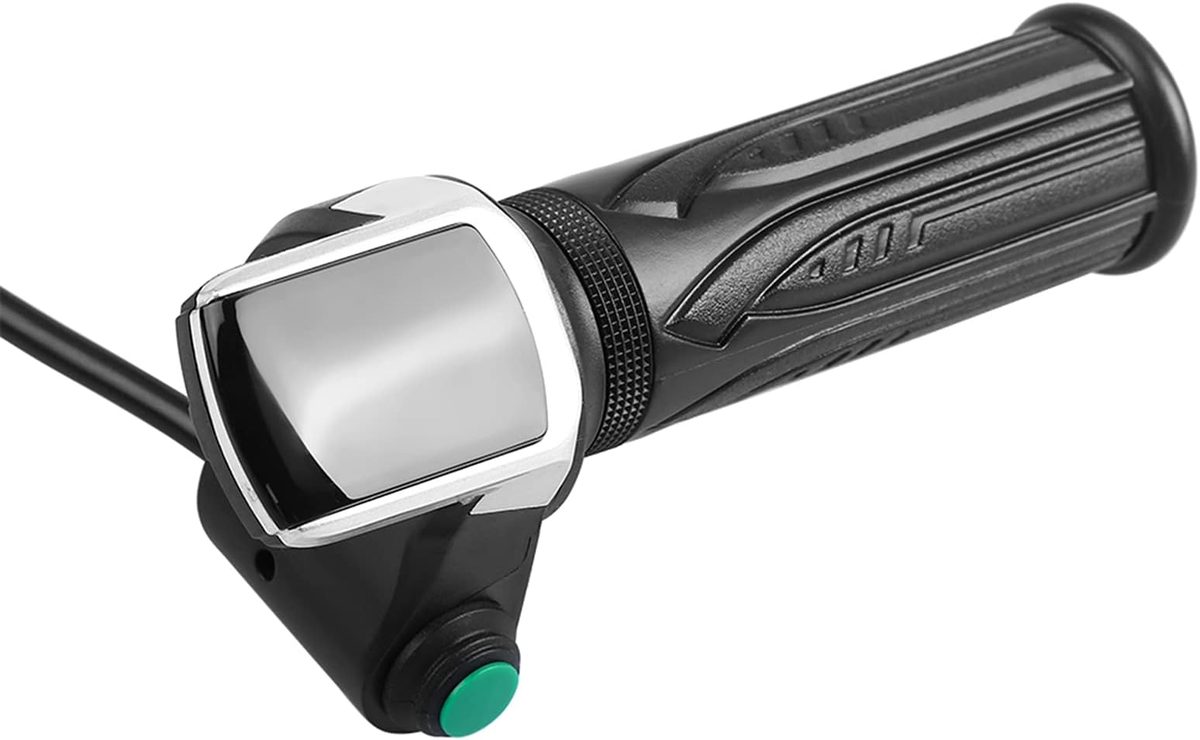
A Class 2 e-bike adds a throttle: twist the grip or press a lever and the motor drives the bike without pedalling, up to 20 mph. Pedal assist works the same as Class 1 — the throttle is an extra, not a replacement.
The throttle is genuinely useful: pulling away from lights, starting on a hill, riding when you're tired or carrying a heavy load. The trade-off is access — some paths and trails don't allow throttled bikes — and range, since throttle-only riding drains the battery fastest.
04 Class 3: speed pedelec
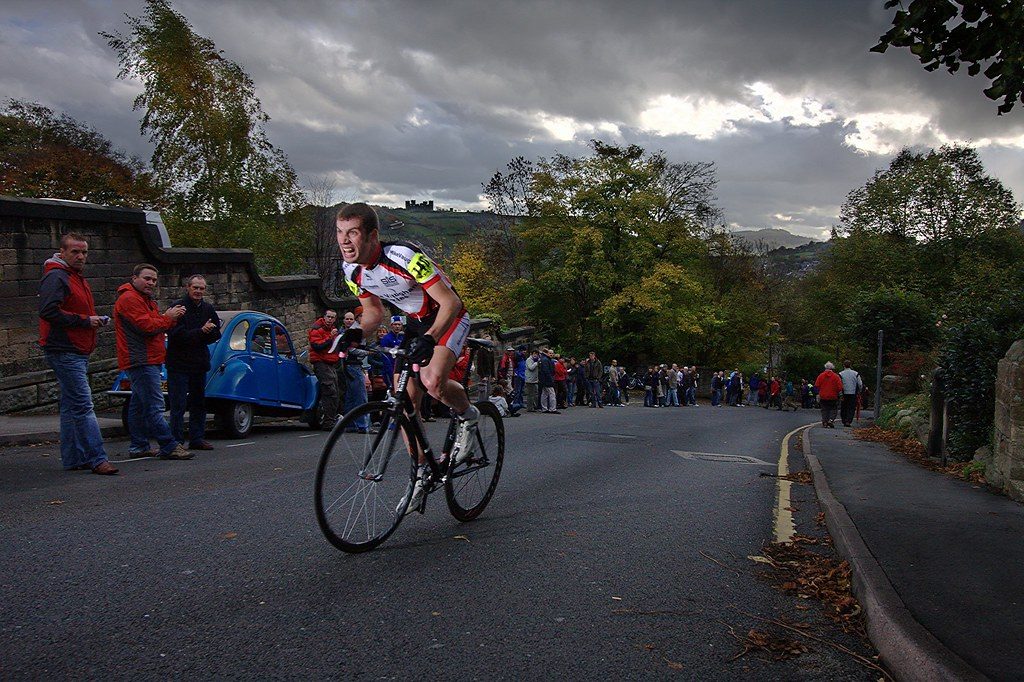
A Class 3 e-bike assists up to 28 mph — fast enough to keep up with city traffic and to make a 15-mile commute feel short. Most Class 3 bikes are pedal-assist only, though some add a throttle limited to 20 mph.
That speed comes with restrictions. In many places Class 3 bikes must use roads rather than multi-use paths, may require a helmet by law, and sometimes have a minimum rider age. The rules vary widely, so check locally before assuming you can ride a Class 3 bike everywhere a Class 1 bike can go.
05 How to tell which class a bike is
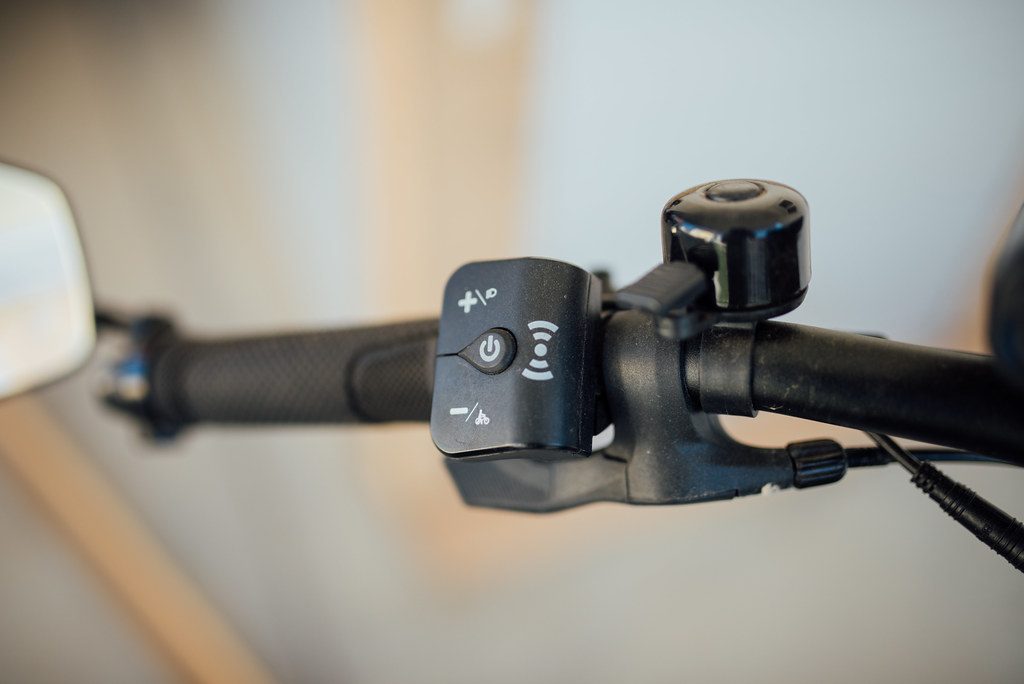
The class should be printed on the bike's label — usually on the frame near the bottom bracket — and stated in the listing. But listings are often vague, and some bikes ship as one class and can be unlocked to another in the settings menu.
Three checks: does it have a throttle (Class 2 or some Class 3)? What speed does the motor stop assisting (20 or 28 mph)? And what does the frame label say? If a listing doesn't answer these, ask the seller before buying — the class affects where you can ride.
06 Where each class can ride
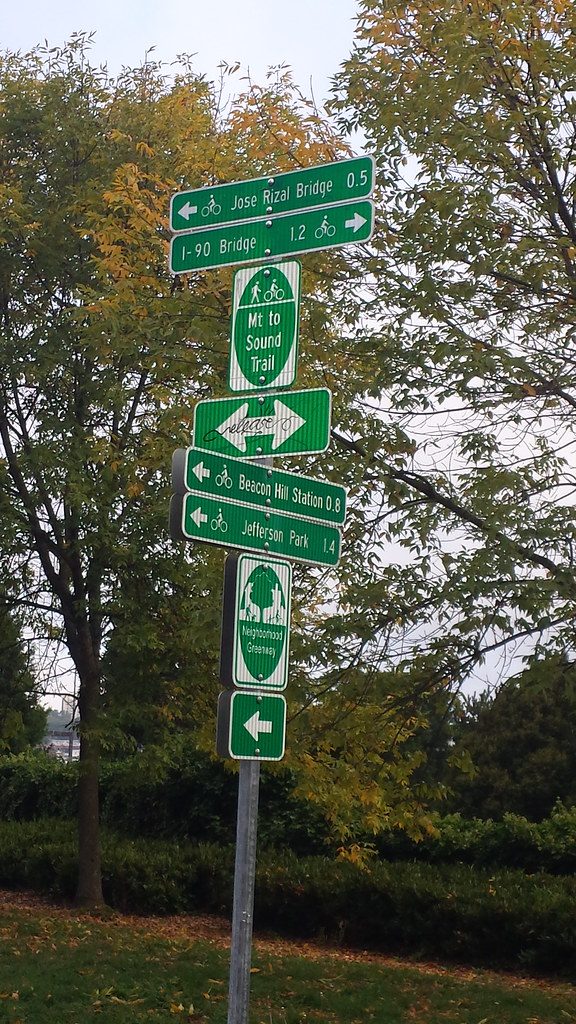
Access rules differ by country, state and even city, and they're still evolving. As a general pattern: Class 1 bikes are allowed almost everywhere bicycles are allowed. Class 2 bikes are usually allowed on roads and bike lanes but sometimes excluded from multi-use paths and natural-surface trails. Class 3 bikes are typically road-and-bike-lane only, with some places requiring helmets or setting a minimum age.
That pattern has many exceptions, and local rules override it. Before buying, check the rules for the specific paths and trails you plan to use — your city or parks authority publishes them, and a five-minute check beats a fine or a confiscated ride.
07 Throttle vs pedal assist: the riding feel
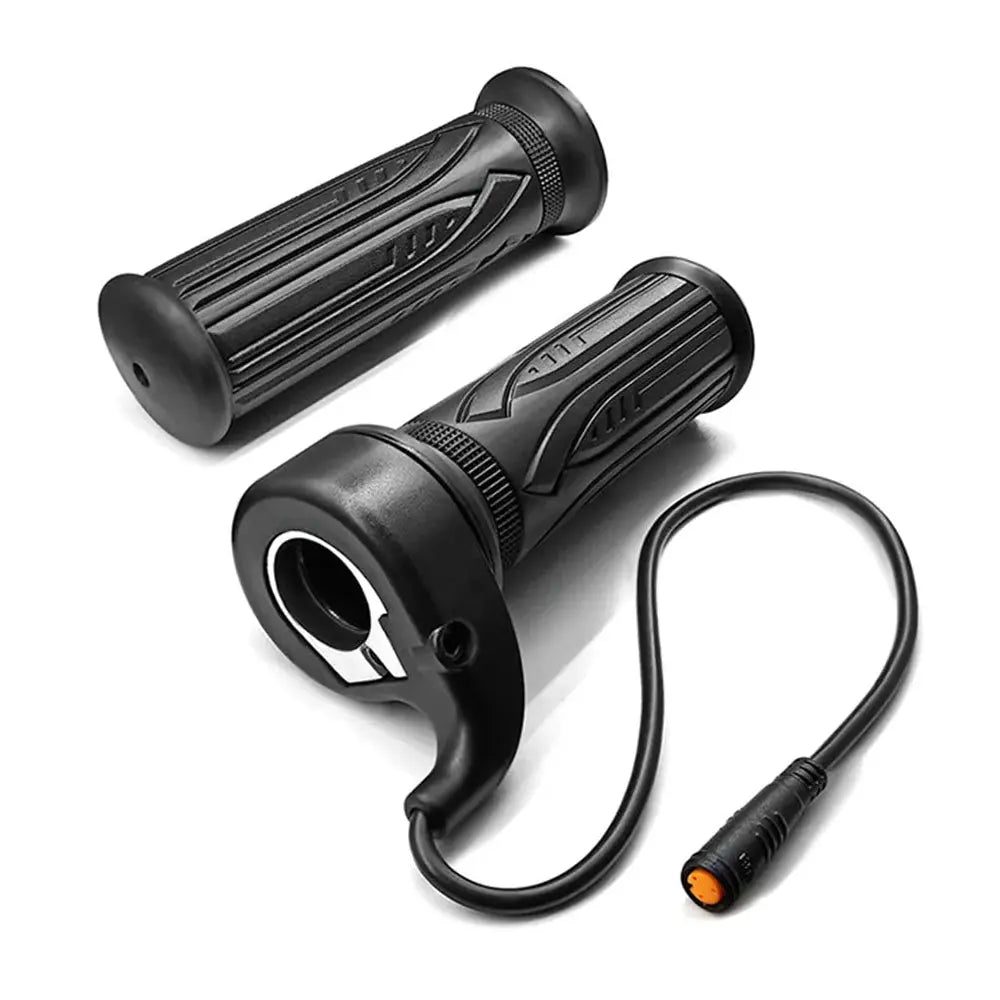
Pedal assist feels like strong legs: you pedal, the motor multiplies your effort. With a torque sensor, the multiplication feels natural; with a cadence sensor, it feels more like a switch. Throttle feels like a scooter: twist and go, no pedalling required.
Most riders end up using both: pedal assist for normal riding, throttle for starts, hills and tired legs. If you've never tried a throttle, it's worth a test ride — some riders love it, others find they never touch it after the first week.
08 Which class suits a commuter?
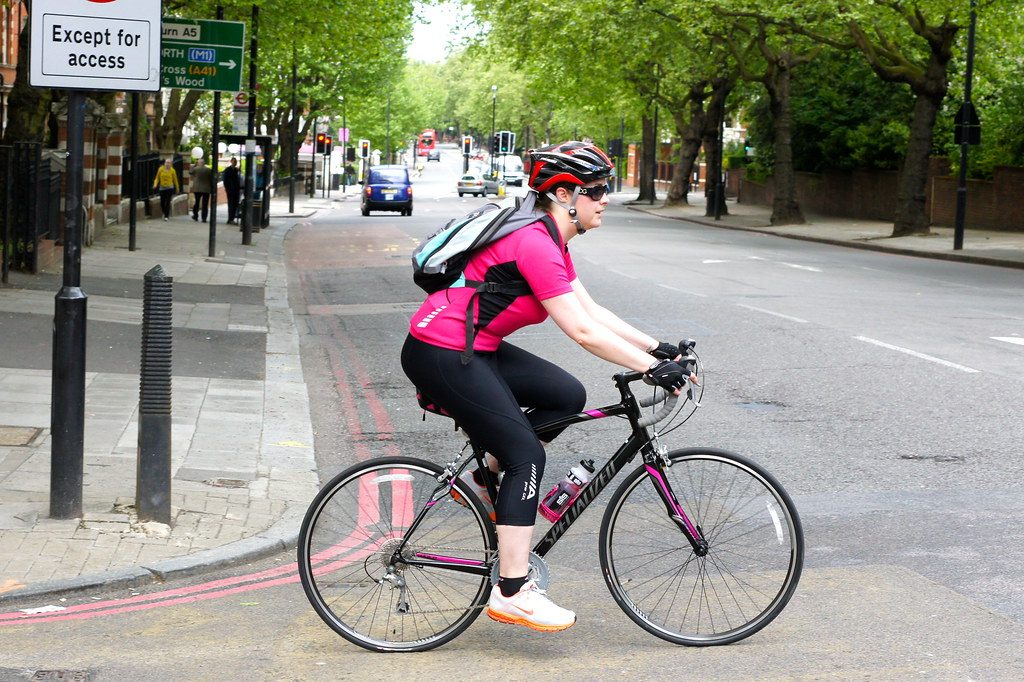
For most commuters, Class 2 is the practical choice: pedal assist for the ride, throttle for starts and hills, and a 20 mph limit that keeps you legal on most urban routes. If your commute uses multi-use paths that restrict throttles, Class 1 is the safer pick.
Class 3 suits longer commutes on roads, where 28 mph assistance genuinely saves time. It's overkill for a 3-mile flat commute, and the path restrictions can be a real annoyance if your route depends on a trail.
09 What about faster bikes?
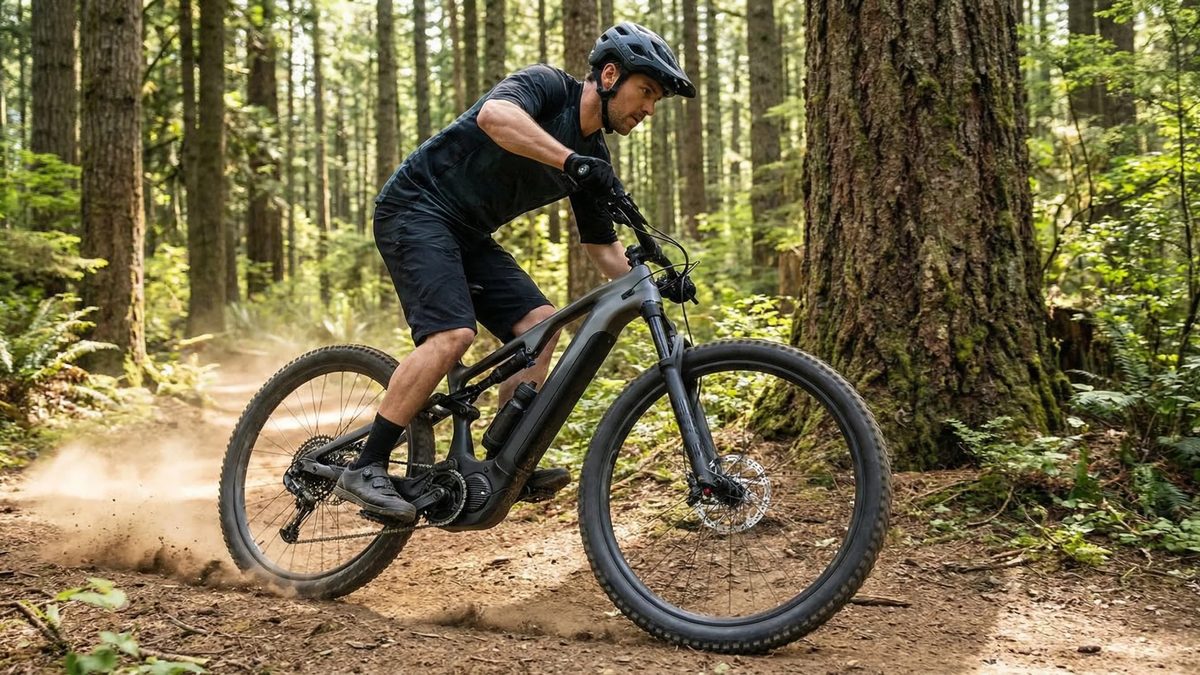
Some e-bikes assist beyond 28 mph or carry motors far above the usual power limits. In many places these are legally mopeds or motorcycles, not bicycles — with different requirements for registration, insurance and where they can be ridden.
If a listing promises 35+ mph, treat it as a different vehicle category, not a faster e-bike. Check your local rules carefully before buying one, and don't assume it can go where a Class 1–3 bike can.
10 Buying checklist
Before you buy, answer these five questions. They take ten minutes and prevent the most common regret: buying a bike you can't ride where you planned to ride it.
- What class is the bike, and is it printed on the frame label?
- Does it have a throttle, and is the throttle legal on your routes?
- What speed does motor assistance stop — 20 or 28 mph?
- Which paths and trails on your route restrict by class?
- Does your area require a helmet or set a minimum age for your class?
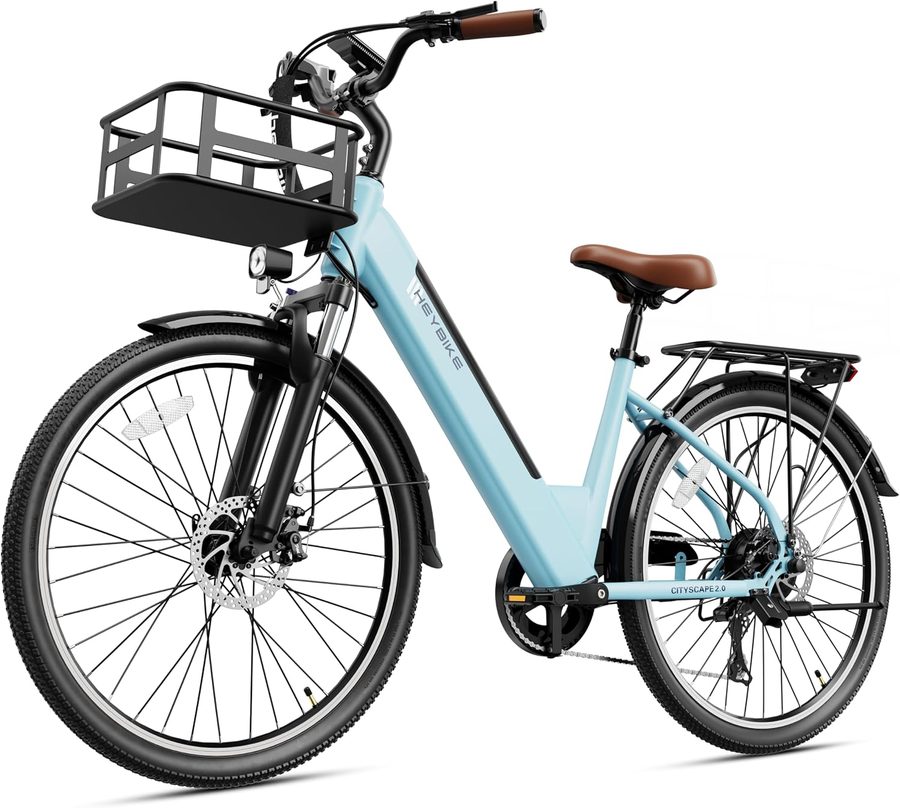
Heybike Cityscape 2.0
Best value commuter: step-through frame, rack and fenders included, gentle price.
- Motor500W (1,200W peak)
- Battery468Wh removable
- RangeUp to 50 mi claimed
- Top speed24 mph
- Wheels26"
Price: Often around $650 on sale
Check price on Amazon ↗Affiliate link — we may earn a commission at no extra cost to you.
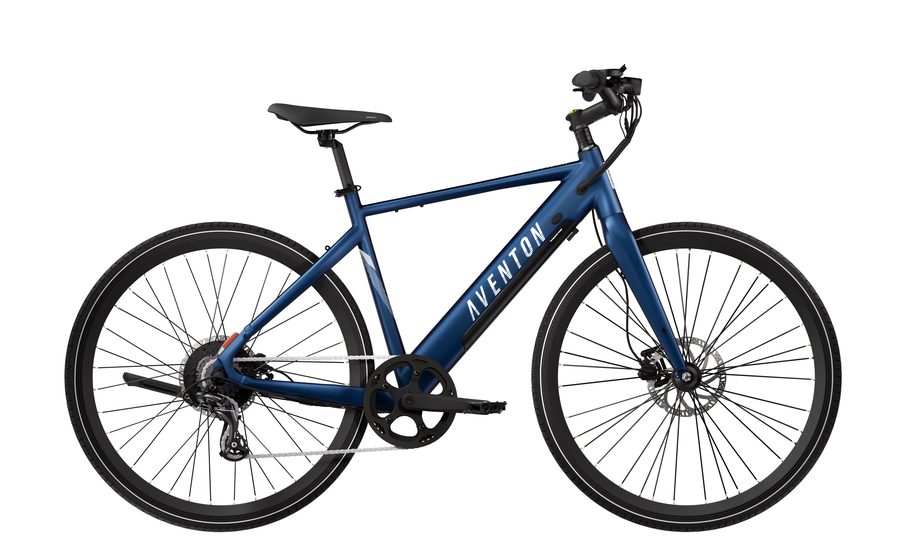
Aventon Soltera.2
The featherweight: 46 lb, torque sensor, integrated lights and turn signals.
- Motor350W rear hub
- Battery345.6Wh removable
- RangeUp to 46 mi claimed
- Top speed20 mph
- Weight46 lb
Price: $1,199 list; often $999 on sale
Search on Amazon ↗Affiliate link — we may earn a commission at no extra cost to you.
Frequently asked questions
What is the difference between Class 1 and Class 2 e-bikes?
Class 1 is pedal assist only — the motor helps while you pedal, up to 20 mph. Class 2 adds a throttle, so the motor can drive the bike without pedalling, also up to 20 mph. Both stop assisting at 20 mph.
What is a Class 3 e-bike?
A Class 3 e-bike assists up to 28 mph, usually pedal-assist only (some add a throttle limited to 20 mph). It's faster than Class 1 and 2, and in many places it's restricted to roads and bike lanes rather than multi-use paths.
Do I need a licence for a Class 3 e-bike?
It depends where you live. In most US states no licence is needed, but some places set a minimum age or require a helmet. Rules vary by country and state — check your local regulations.
Can I ride a Class 2 e-bike on bike paths?
Often yes, but not always. Some multi-use paths and natural-surface trails exclude throttled bikes. Check the rules for the specific paths you use.
Can I change my e-bike's class?
Some bikes let you change the assist limit or disable the throttle in the settings. But changing the class may change the bike's legal status where you ride — check local rules before doing it.
Which e-bike class is best for commuting?
Class 2 suits most commuters: pedal assist plus a throttle for starts and hills. Class 1 is better if your route uses paths that restrict throttles; Class 3 suits long road commutes where 28 mph saves real time.
Are e-bike classes the same in every country?
No. The three-class system is mainly a US framework. Europe uses different rules (typically 250W and 25 km/h for standard e-bikes), and other countries vary. Always check your local regulations.
Keep reading
Best Commuter E-Bikes Under $1,500
Eight commuters that earn their keep: honest range estimates, real weights, and the trade-offs nobody puts in the headline.

How Far Can an E-Bike Go on One Charge?
Claimed range is a best-case number. Here's how to work out what your e-bike will really do — and how to make it go further.
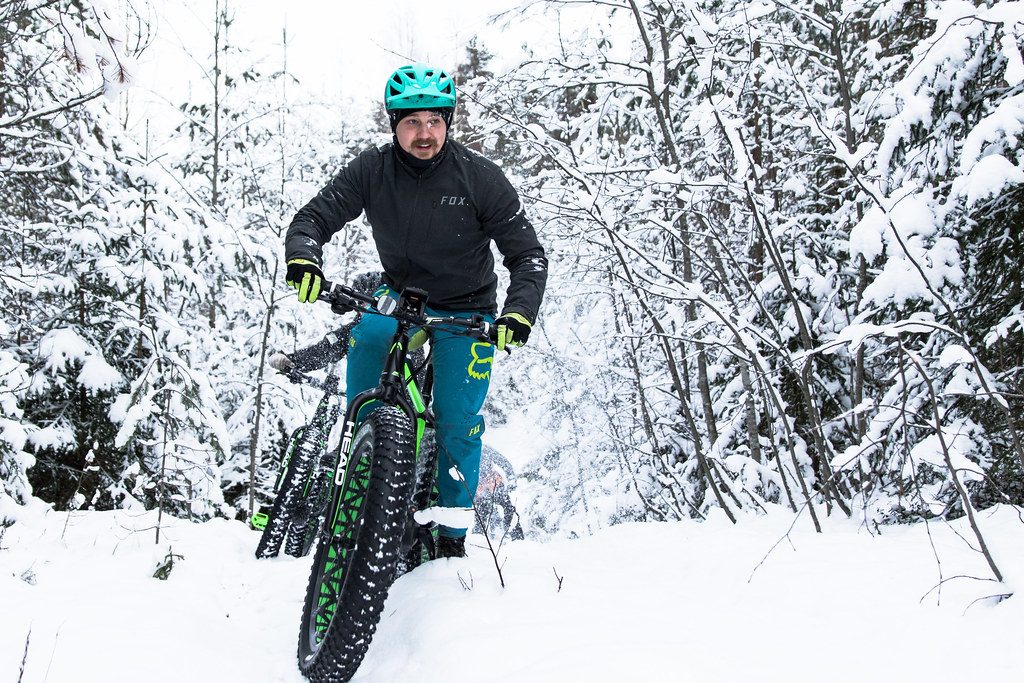
Fat Tire vs City E-Bikes: Which Rides Better?
Wide tyres look unstoppable. Narrow tyres look fast. Here's what actually changes when you ride each one every day.
⚡ Some links on this page are affiliate links. If you buy through them, we may earn a commission at no extra cost to you. Prices change often — always check the live listing before buying.