

Short answer
Fat-tire e-bikes ride softer over rough roads, sand and snow, while city e-bikes are lighter, nimbler and usually cheaper to run. Choose fat tires for comfort and grip on bad surfaces; choose a city bike for paved streets and easier handling.
Fat-tire e-bikes are everywhere now — wide 4-inch tyres, chunky frames, a promise of riding anywhere. City e-bikes look almost boring beside them: narrow tyres, light frames, no drama. But the right choice depends on your roads, not the showroom.
This guide compares the two honestly: comfort, range, weight, handling, maintenance and cost — and tells you which rider each one actually suits.
The short version
| Fat tire wins on | Comfort, grip, bad roads, snow and sand, and stability for nervous riders. |
| City wins on | Range, weight, agility, price, and ease of carrying and storing. |
| The range gap | Fat tires cost roughly 10–20% of your range through rolling resistance. |
| The weight gap | Fat-tire e-bikes are typically 10–20 lb heavier than city bikes. |
| Bottom line | Bad roads or winter riding: fat tire. Smooth city commute: city bike, every time. |
01 Two bikes, two philosophies
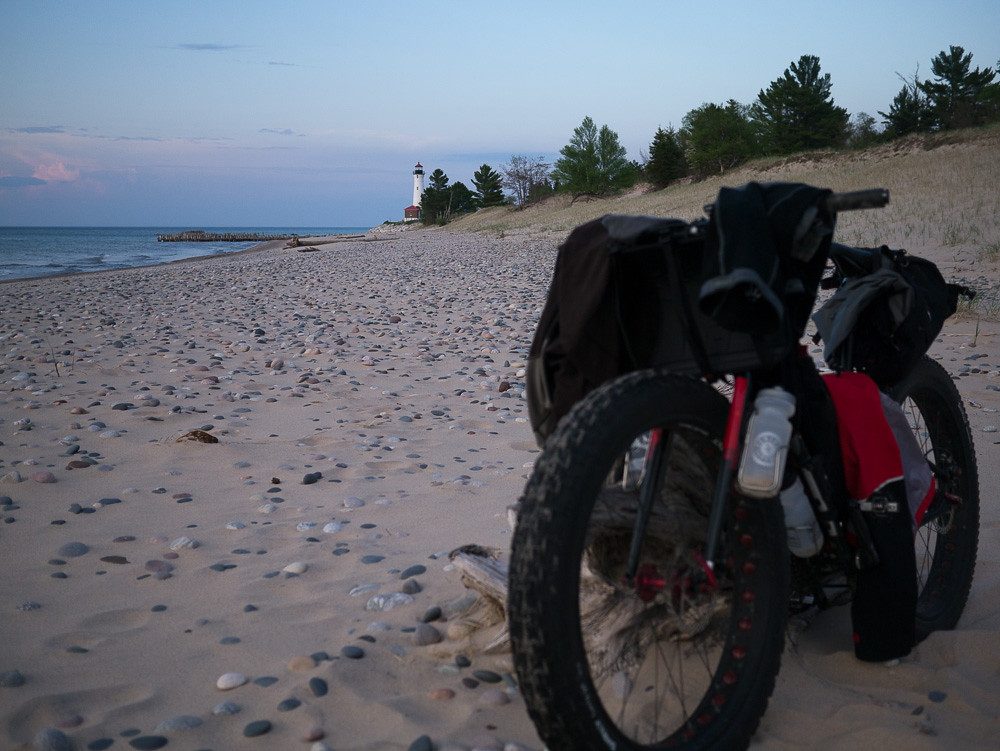
A fat-tire e-bike is built around its tyres: 4 inches wide, run at low pressure, designed to float over soft or broken surfaces. A city e-bike is built around efficiency: 1.5–2 inch tyres at higher pressure, a light frame, and geometry tuned for traffic.
Neither is 'better' in the abstract. The question is which set of compromises matches your roads — and most riders' roads are more ordinary than either marketing department admits.
02 What fat tires actually do
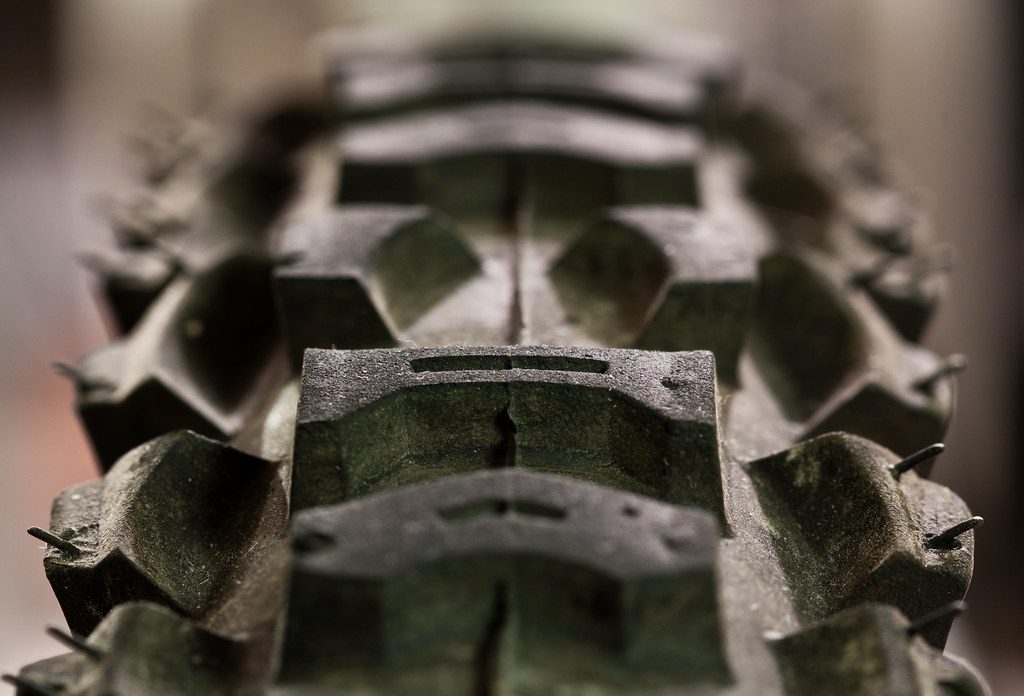
A fat tyre spreads the bike's weight over a large contact patch. On sand, snow, mud and loose gravel, that keeps the bike on top of the surface instead of sinking in. On broken tarmac, the low pressure and big air volume absorb bumps that a narrow tyre transmits straight to your hands.
The same physics costs you on smooth roads: more rubber on the ground means more rolling resistance, more effort per mile, and less range from the same battery. It's a real trade, not a free lunch.
03 What city tires do better
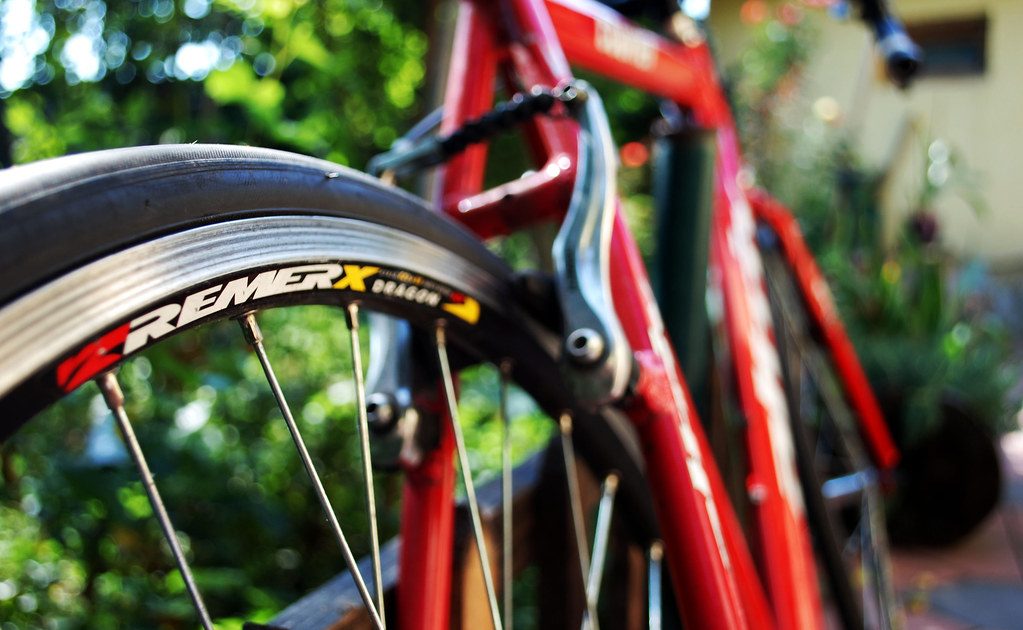
A narrow city tyre has a small contact patch and high pressure, which means low rolling resistance and more miles per charge. It also steers more precisely: quick direction changes, tight gaps in traffic, and confident cornering all favour the narrower tyre.
The downside is comfort and forgiveness. A city tyre finds every pothole and transmits it; on gravel or wet leaves it grips less. For smooth, well-maintained city streets, that's a trade worth making.
04 Ride comfort: suspension vs simplicity
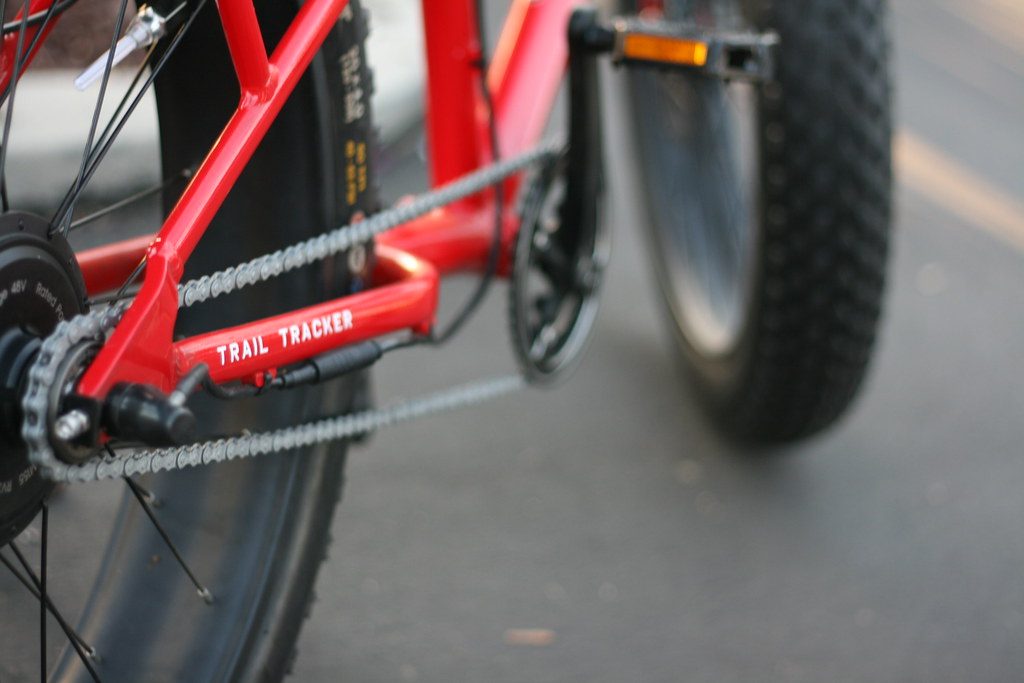
Fat tyres act as suspension: the air volume absorbs small bumps without any moving parts. Many fat bikes add a suspension fork as well, which makes them the most comfortable e-bikes on rough roads — cobbles, potholes, railway crossings, all smoothed out.
City bikes usually rely on a suspension fork alone, or on nothing at all. On good roads that's fine and simpler to maintain. On bad roads, the difference is real: after a month of commuting on broken tarmac, your wrists and back will vote fat.
05 Weight and handling
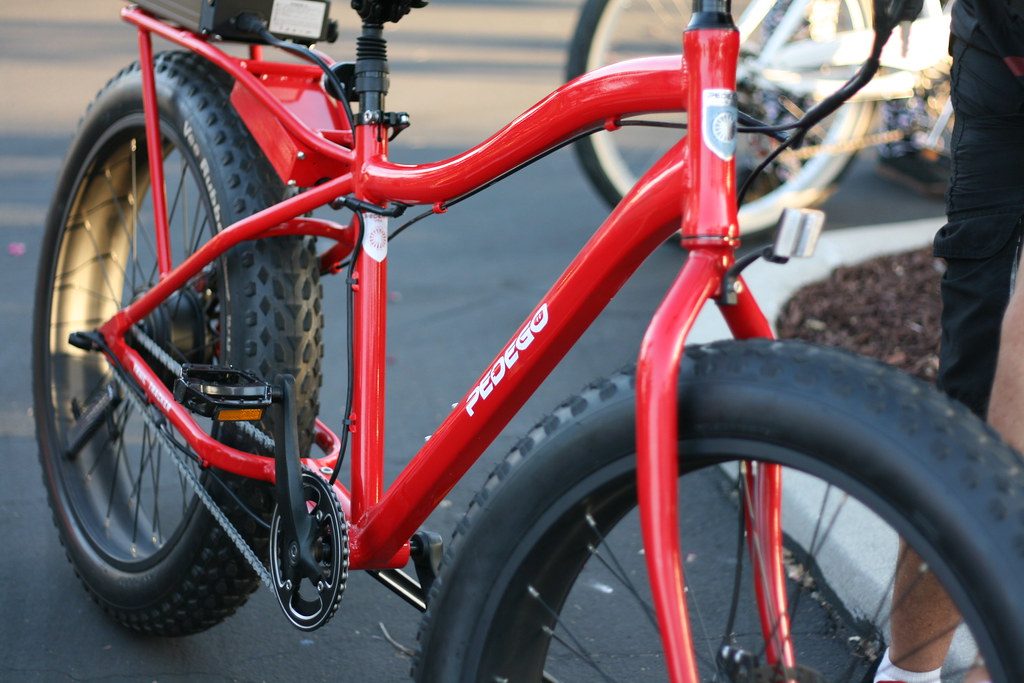
Fat-tire e-bikes are heavy: typically 65–75 lb against 45–60 lb for a city bike. That weight shows up everywhere — carrying it upstairs, lifting it onto a rack, manoeuvring in traffic, and braking distance.
Handling differs too. Fat bikes feel stable and planted, which nervous riders love, but they're slower to turn and harder to thread through tight gaps. City bikes feel nimble and responsive, which confident riders prefer in traffic.
| Fat-tire e-bike | City e-bike | |
|---|---|---|
| Tyre width | 3–4.8 in | 1.5–2.2 in |
| Typical weight | 65–75 lb | 45–60 lb |
| Range (same battery) | 10–20% less | Baseline |
| Best surface | Sand, snow, gravel, broken roads | Smooth tarmac, bike paths |
| Handling | Stable, slow to turn | Nimble, precise |
| Storage | Bulky, heavy to lift | Easier to carry and store |
06 Range and efficiency
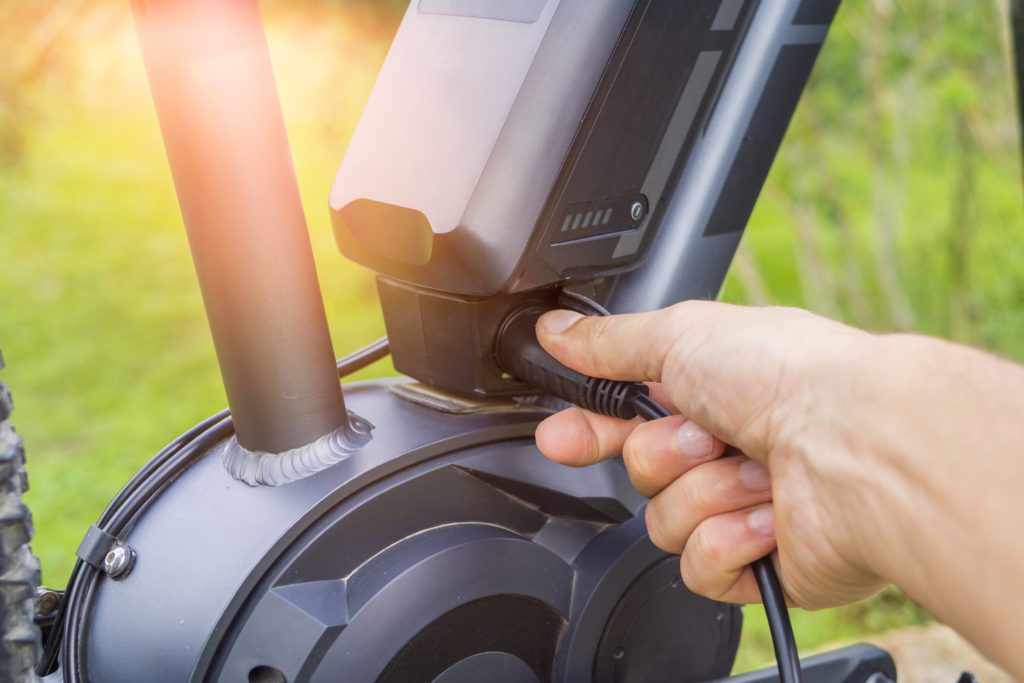
Same battery, different result: a fat-tire bike goes roughly 10–20% less far than a city bike on the same charge, because rolling resistance and weight eat energy on every mile. Makers compensate by fitting bigger batteries to fat bikes — which is why so many carry 600–720Wh packs.
The practical effect: if your commute is at the edge of a fat bike's range, you'll charge every night. The same commute on a city bike might need charging every other night. Neither is a problem if you have an outlet — but it's worth knowing before you buy.
07 Snow, sand and bad roads

This is where fat tyres earn their keep. In snow, on sand and on loose gravel, a fat tyre keeps grip where a city tyre slides or sinks. If your winter commute involves unploughed paths, or your weekends involve beaches and trails, a fat bike opens terrain a city bike can't touch.
But be honest about how often you ride that terrain. A fat bike bought for two beach weekends a year spends the other 50 weeks as a heavy, thirsty commuter. If the answer is 'rarely', the city bike wins.
08 The daily commute test
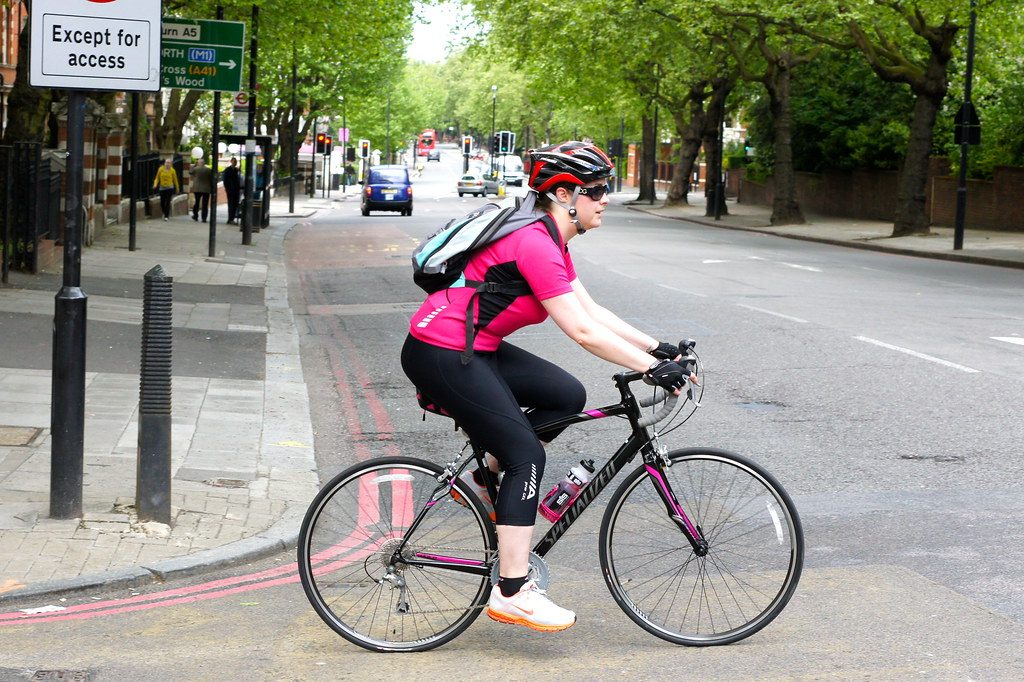
Put both bikes on the same 8-mile city commute and the differences sharpen. The city bike is quicker through traffic, easier to park, lighter to carry into the office, and uses less battery. The fat bike is more comfortable over the rough half-mile of broken road, more stable in the rain, and more forgiving when you hit a pothole you didn't see.
For most city commuters on maintained roads, the city bike wins the daily test. The fat bike wins when the roads are genuinely bad — and 'genuinely bad' means potholes and gravel, not the occasional crack.
09 Maintenance and costs
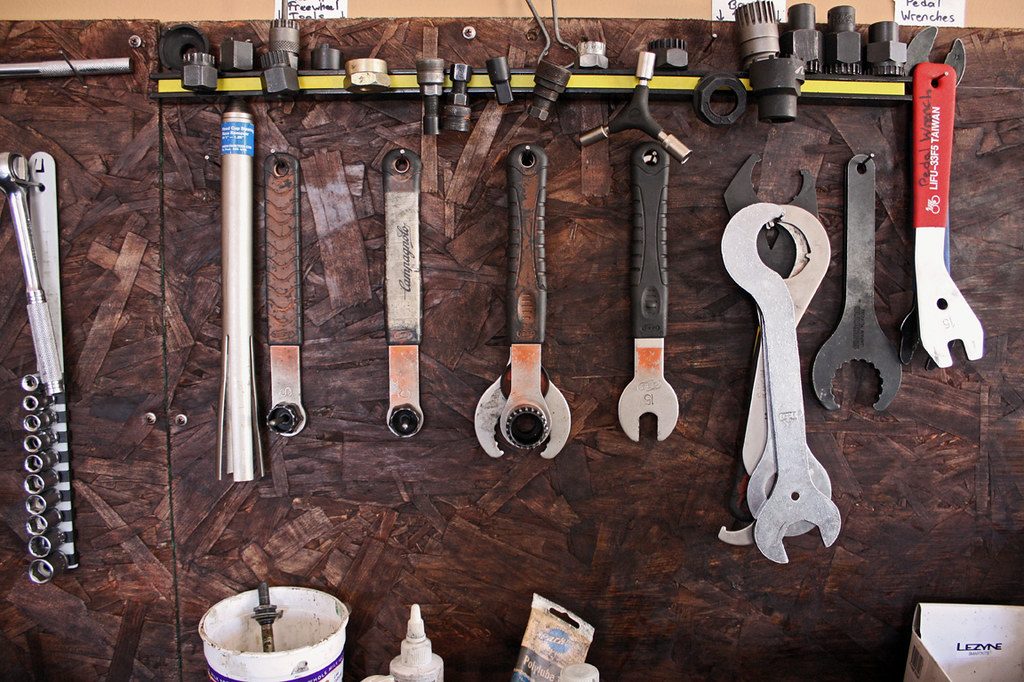
Fat tyres cost more to replace and wear faster on tarmac — the soft compound that grips off-road scrubs away on pavement. Fat bikes also have more parts to maintain: suspension forks, wider hubs, and heavier-duty brakes that work harder.
City bikes are cheaper to run: tyres last longer, parts are standard sizes, and any bike shop stocks them. Over three years of commuting, the running-cost gap is real but modest — a few hundred dollars, not thousands.
10 Which one should you buy?

Buy a fat-tire e-bike if your roads are rough, your winters are snowy, or you ride beaches and trails most weekends. Buy a city e-bike if your commute is on maintained roads and you value range, weight and agility. If you're genuinely torn, the tiebreaker is storage: if you carry the bike upstairs, the city bike wins.
Still unsure? The two bikes below are our top pick in each category — the fat-tire Mars 2.0 and the city Cityscape 2.0 — and both appear in our commuter guide.
| Your situation | Buy this | Why |
|---|---|---|
| Smooth city commute | City e-bike | Lighter, longer range, nimbler |
| Rough roads, potholes | Fat-tire e-bike | Comfort and grip where it counts |
| Snow or sand riding | Fat-tire e-bike | Floats where city tyres sink |
| Stairs or train commute | City e-bike | Weight decides everything |
| One bike for everything | Fat-tire folder | Compromise that covers most jobs |
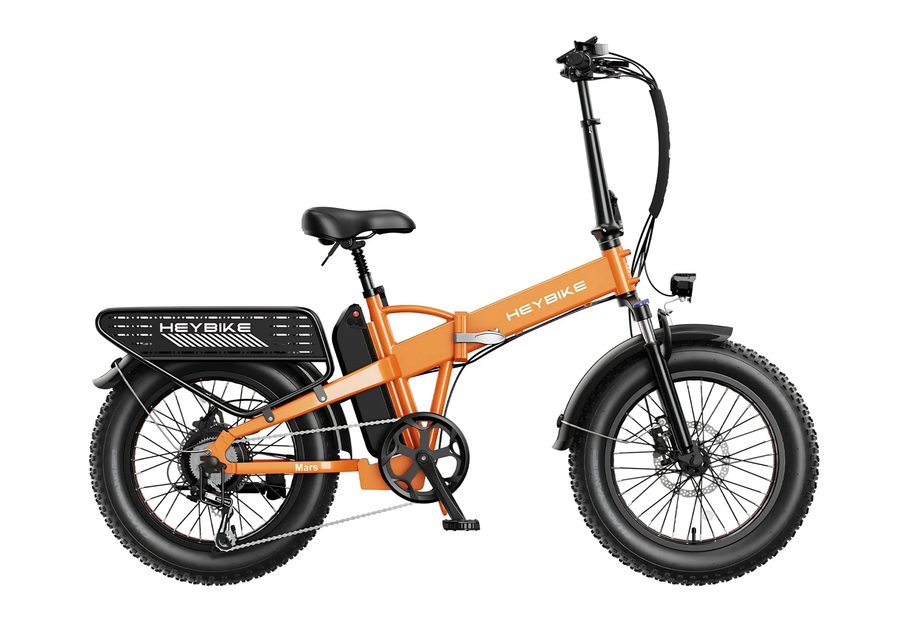
Heybike Mars 2.0
The do-everything folder: fat tires, big battery, folds for the trunk or hallway.
- Motor750W (1,400W peak)
- Battery624Wh removable
- RangeUp to 50 mi claimed
- Top speed28 mph
- Wheels20" x 4" fat
Price: Often around $1,099
Check price on Amazon ↗Affiliate link — we may earn a commission at no extra cost to you.
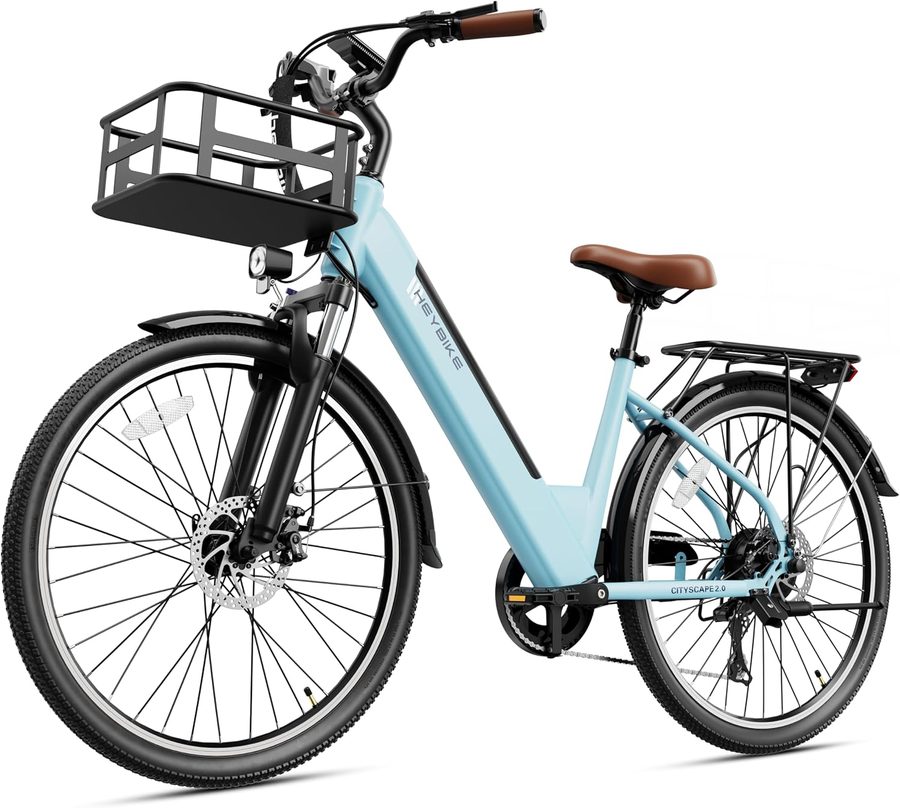
Heybike Cityscape 2.0
Best value commuter: step-through frame, rack and fenders included, gentle price.
- Motor500W (1,200W peak)
- Battery468Wh removable
- RangeUp to 50 mi claimed
- Top speed24 mph
- Wheels26"
Price: Often around $650 on sale
Check price on Amazon ↗Affiliate link — we may earn a commission at no extra cost to you.
Frequently asked questions
Are fat tire e-bikes good for commuting?
They can be — especially on rough roads or in winter. But they're heavier and use 10–20% more battery than a city bike, so on smooth roads a city e-bike is the more efficient commuter.
Do fat tires make an e-bike slower?
They make it less efficient, not slower: the motor compensates up to the assist limit. You'll notice it in range and in pedalling effort above the assist cut-off, not in top speed.
Are fat tire e-bikes harder to pedal without power?
Yes, noticeably. The rolling resistance and weight make unpowered riding a workout. If your battery dies mid-ride, a fat bike is a much harder pedal home than a city bike.
Can you ride a fat tire e-bike on the road?
Yes — fat bikes are road-legal wherever e-bikes are. They're less efficient on tarmac but perfectly usable, and many riders use them as year-round commuters.
Do fat tires wear out faster?
On tarmac, yes — the soft tread compound wears faster than a city tyre's. Off-road they last well. Budget for more frequent tyre replacement if most of your riding is on pavement.
Which is better for a beginner: fat tire or city e-bike?
Fat tires feel more stable and forgiving, which nervous riders like. City bikes are lighter and easier to handle in traffic. For a beginner on city streets, we'd start with a city bike — unless the roads are rough.
Can a fat tire e-bike handle snow?
Better than any other e-bike type — the wide tyres float on snow and grip where narrow tyres slide. They're the standard choice for winter riding, though ice still needs care and lower speeds.
Keep reading
Best Commuter E-Bikes Under $1,500
Eight commuters that earn their keep: honest range estimates, real weights, and the trade-offs nobody puts in the headline.
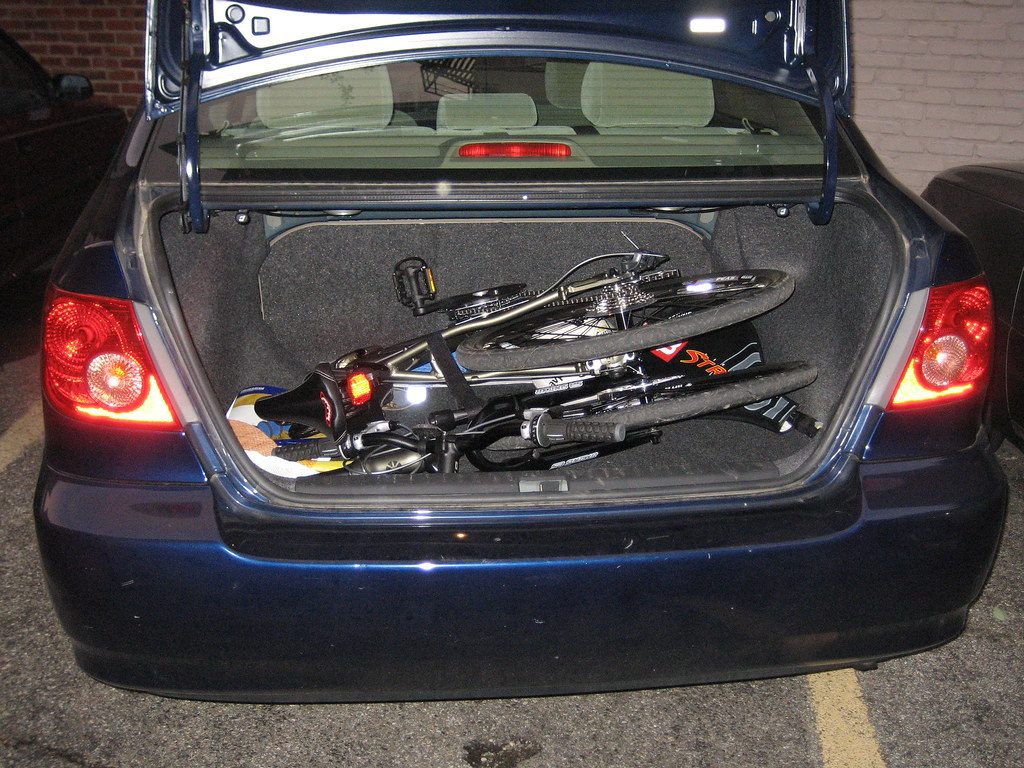
Best Folding E-Bikes for Small Spaces
Seven folders that actually fit real life: folded sizes, honest weights, and which hinge designs hold up.

How Far Can an E-Bike Go on One Charge?
Claimed range is a best-case number. Here's how to work out what your e-bike will really do — and how to make it go further.
⚡ Some links on this page are affiliate links. If you buy through them, we may earn a commission at no extra cost to you. Prices change often — always check the live listing before buying.